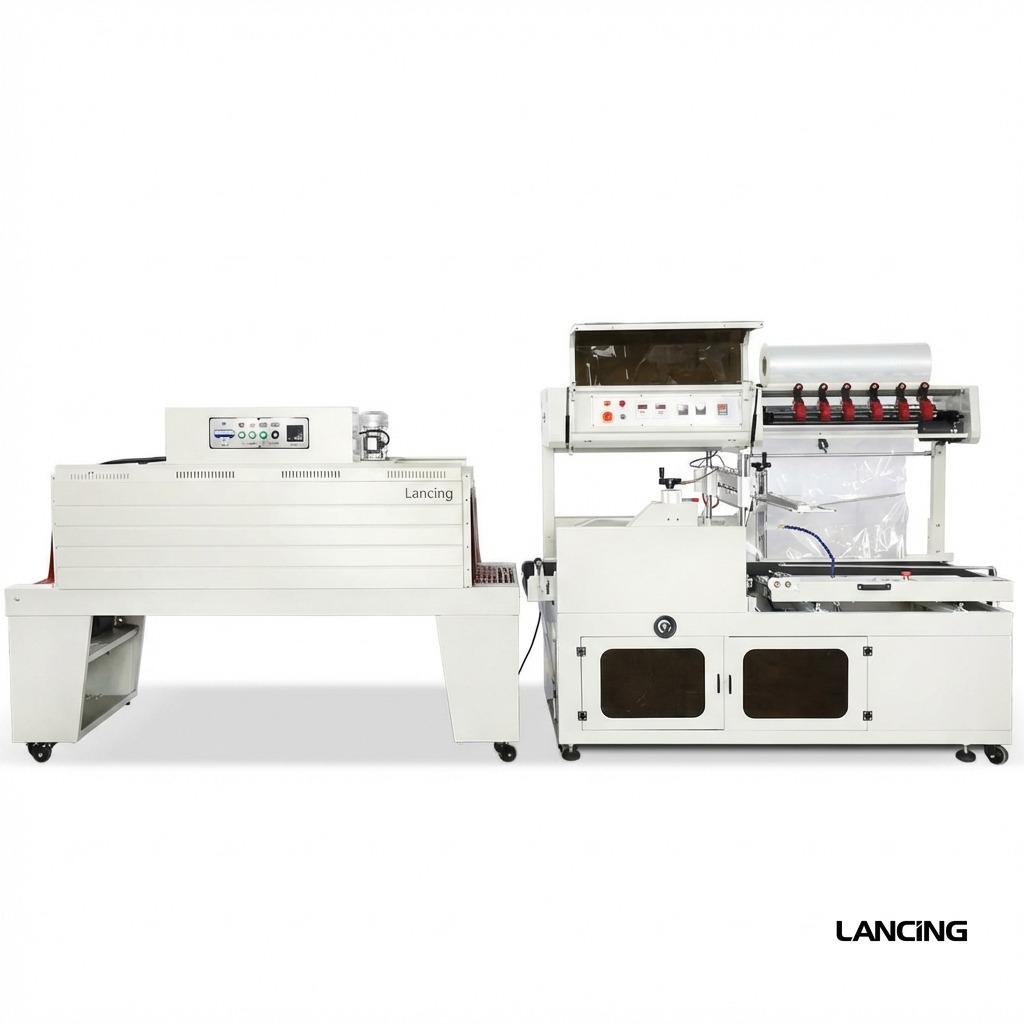
Direct answer
Safety checks must be project-specific, not copied from a catalogue page
Direct answer: L-sealer guarding and operator-safety checks should cover access to hot, moving and sealing parts; emergency stopping; isolation; film loading; maintenance; training; and the actual working environment. In the UK, PUWER duties mean work equipment must be suitable, maintained, inspected where required, and used by trained people.
This page is general guidance for preparing a conversation with Lancing and the site duty holder. It is not a substitute for a competent machine risk assessment, PUWER review or application-specific installation check. HSE guidance explains that PUWER places duties on people and companies that own, operate or control work equipment.
Read the HSE PUWER overview
| Check area | Question to answer | Why it matters |
|---|
| Access to sealing parts | Who can reach the sealing area during normal use, cleaning or fault recovery? | Hot or moving parts require suitable guarding and procedures. |
| Tunnel heat | How will operators avoid contact with hot surfaces and warm packs? | Heat exposure affects safe handling and line layout. |
| Isolation and maintenance | How will the machine be isolated before maintenance or film-path work? | Maintenance tasks must not rely on informal operator habits. |
| Training and supervision | Who will operate, clean, adjust and supervise the line? | PUWER expects adequate information, instruction and training. |