Technical answer
Prepare the product route, services and access before the machine arrives
Direct answer: L-sealer site preparation should confirm the product flow, floor space, working height, power, compressed air where required, heat management, operator access and downstream handling before installation. The right checklist prevents a technically suitable machine from underperforming because the line cannot feed, discharge, cool or maintain the pack correctly.
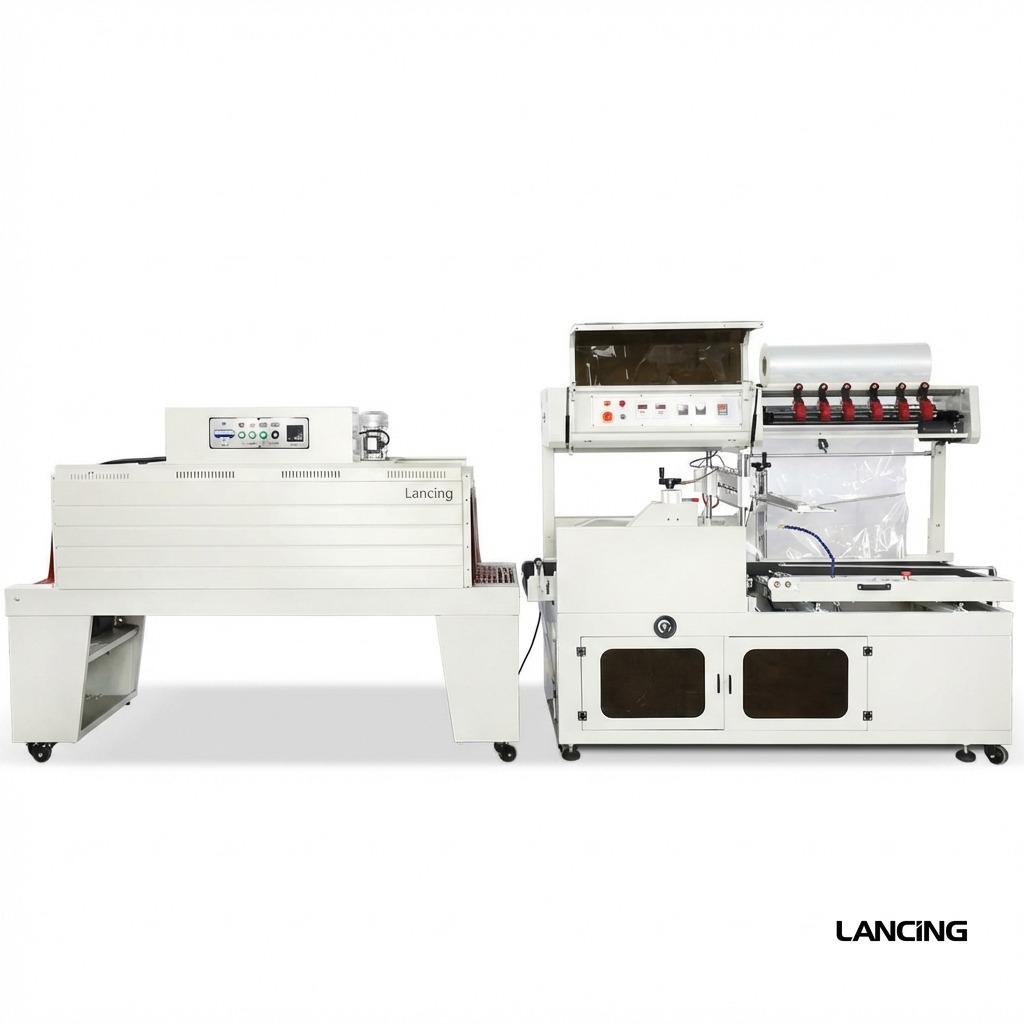
The site review should start with a simple layout drawing or marked floor photograph. It does not need to be a detailed CAD drawing at the first enquiry stage, but it should show the product approach, sealer, tunnel, cooling discharge, operator position, maintenance access and any packing or inspection point after the tunnel.
| Area to check | What to provide | Why it affects the project |
|---|
| Product flow | Infeed direction, manual or conveyor feed, orientation and spacing. | The sealer and sensors need consistent product presentation to avoid misfeeds and poor seal location. |
| Utilities | Available electrical supply and compressed-air details where the chosen configuration requires air. | Utility checks prevent a quotation from assuming services that are not available at the installation point. |
| Heat and cooling | Tunnel location, ventilation, discharge space and handling after the tunnel. | Warm packs may still move, mark or distort if they are handled too quickly after shrinking. |
| Access | Operator working side, film loading position, cleaning access and service clearance. | Good access shortens changeover, supports maintenance and reduces avoidable production interruption. |
What floor space should be checked before ordering?
The exact space depends on the sealer, tunnel, conveyors and handling method, but the review should include the machine footprint, infeed and outfeed length, operator standing area, film-roll access, discharge cooling and service clearance. A line that fits physically can still be difficult to operate if access is too tight.
What utilities should be confirmed?
Confirm the available electrical supply at the installation point and whether the proposed sealer configuration needs compressed air. Do not assume a single utility specification without confirming the exact machine route, because automatic, semi-automatic and tunnel combinations can differ.
What samples help the site-preparation review?
Send the largest, smallest and least stable product samples where possible, plus film details, photos and the required finished-pack standard. Site preparation is more useful when it is connected to the real product rather than only to a floor-space drawing.
Related guidance: Line layout planning · Power requirements · Air requirements · Send site details