L sealer machine UK
Compare automatic, semi-automatic and tunnel-based L sealer routes.
Support
Keeping the right spare parts on site can reduce downtime when seal quality or film handling starts to deteriorate.
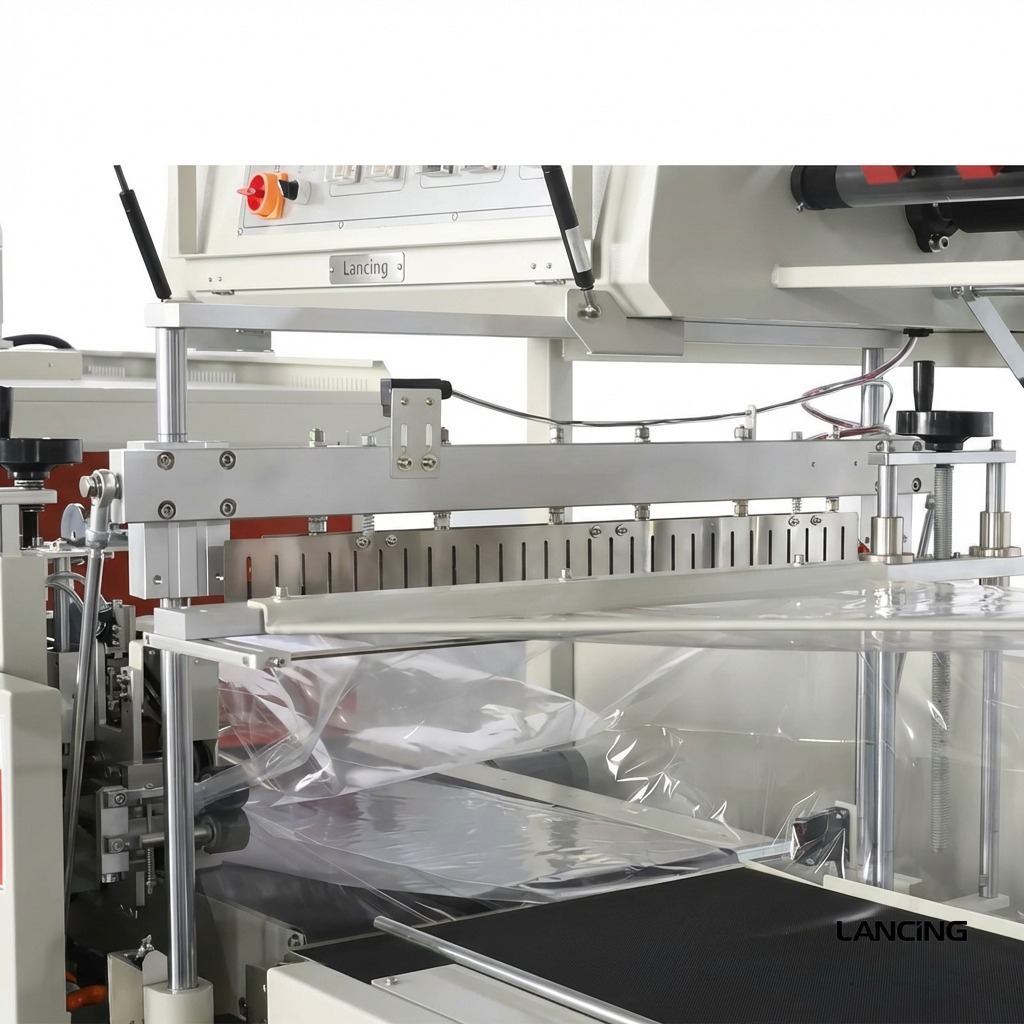
Keeping the right spare parts on site can reduce downtime when seal quality or film handling starts to deteriorate.
The right spares depend on machine model, usage and the consequences of downtime. High-volume lines often justify a small stock of common wear items.
Machine model, photographs and part location help avoid ordering the wrong item. Keep manuals and supplier records available.
| Pack dimensions | Largest and smallest product sizes, pack weight, stability and whether products are single cartons, bundles or trays. |
|---|---|
| Required output | Target packs per minute, daily volume, shift length, changeover frequency and whether future output may increase. |
| Film and finish | Preferred shrink film if known, presentation requirements, seal position, retail display needs and barcode visibility. |
| Line layout | Available floor space, infeed method, conveyor height, power, compressed air and whether a shrink tunnel is needed. |
FAQ
Seal wire, PTFE tape, blades and conveyor wear items are common examples.
Not always, but photos help begin the process.
For production-critical lines, a starter spares kit is often sensible.
Related pages
Use these pages to compare L sealers, shrink tunnels, film route and quotation requirements.
Compare automatic, semi-automatic and tunnel-based L sealer routes.
Review automatic sealing and shrink wrapping options for higher output lines.
Understand when a combined sealer and tunnel route is the best fit.
Compare L sealers, chamber machines, tunnels and wider packaging routes.
Prepare product and line details before requesting a quotation.
Send pack sizes, output target and film needs to Lancing UK.