Automatic L-sealer machines
Related advice for comparing shrink wrapping machinery, film, output and installation requirements.
UK L sealer advice
A UK L sealer machine should be selected around the product dimensions, shrink film, finished pack quality and target output. Lancing UK helps compare automatic L sealers, semi automatic L sealers and heat tunnel routes for cartons, boxes, books and retail packs.
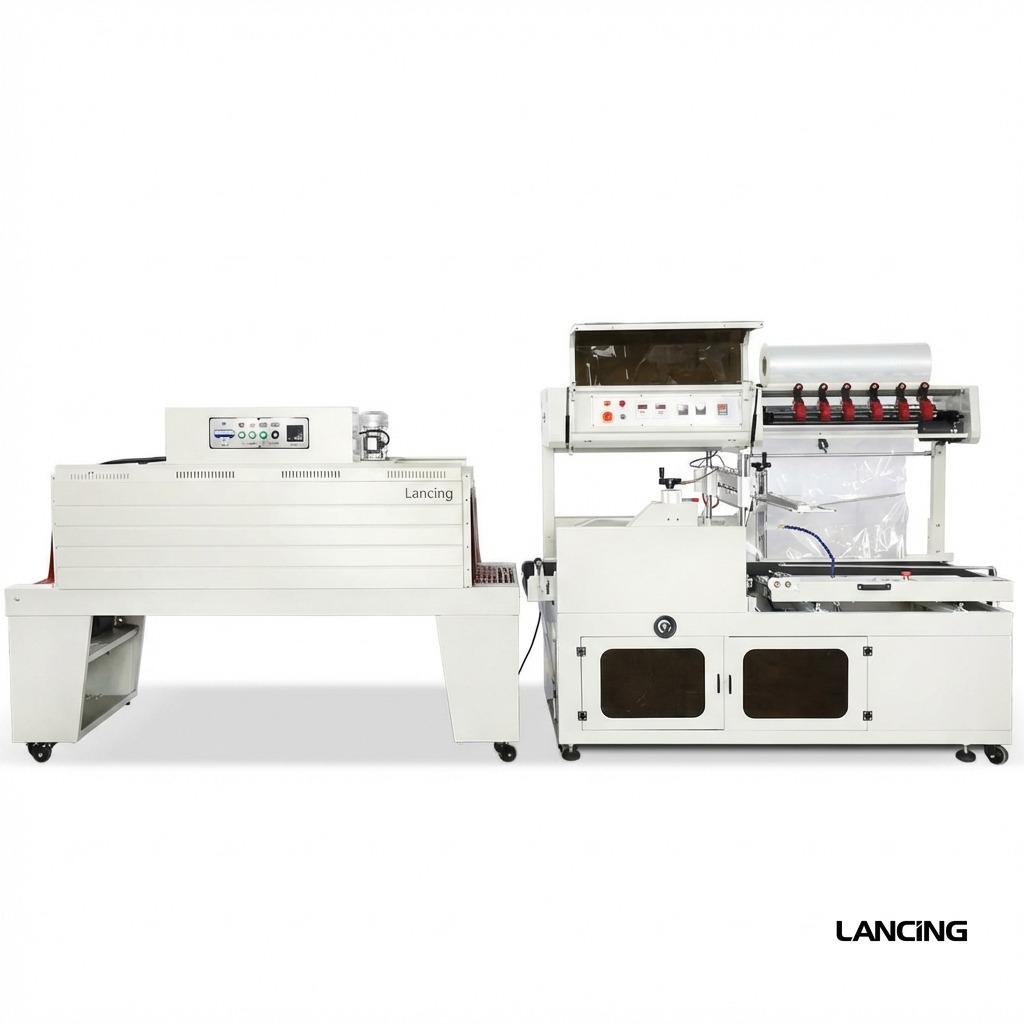
L sealers are usually the starting point for fully enclosed presentation shrink wrapping. They work well where the product can pass through a folded film system, be sealed on two sides and then shrink through a heat tunnel. Typical products include cartons, printed packs, boxed electronics, books, cosmetics and small retail multipacks.
The key checks are maximum product length, width and height, film width, product stability, output in packs per minute, and how the product will be presented to the infeed. The sealer and tunnel should be specified together so the pack is not sealed faster than it can be shrunk cleanly.
For a useful quotation, send pack dimensions, photographs, film type if known, required output, voltage and compressed air availability, available footprint and whether the machine will be manually loaded or connected into a wider packaging line.
| Product | Send length, width, height, weight, photos and the largest and smallest pack sizes. |
|---|---|
| Film and finish | Confirm whether the priority is retail presentation, transit strength, tamper evidence or product protection. |
| Output | Confirm target packs per minute, daily volume, loading method and whether the product arrives from another machine. |
| Site | Confirm floor space, power, compressed air, conveyor height, access and any upstream or downstream equipment. |
FAQ
Cartons, books, boxed goods, printed packs, cosmetic boxes, electronics cartons and retail packs are common L sealer applications.
For shrink wrapping, yes. The L sealer forms and seals the film while the tunnel shrinks the film around the pack.
Usually yes within the aperture and film-width range, but changeover settings and film size must be checked.
Related pages
These pages help narrow the best machine route before requesting a quotation.
Related advice for comparing shrink wrapping machinery, film, output and installation requirements.
Related advice for comparing shrink wrapping machinery, film, output and installation requirements.
Related advice for comparing shrink wrapping machinery, film, output and installation requirements.
Related advice for comparing shrink wrapping machinery, film, output and installation requirements.
Related advice for comparing shrink wrapping machinery, film, output and installation requirements.
UK quote evidence
A UK buyer searching for an L sealer machine usually needs more than a model name. Lancing must check whether the product will feed cleanly, whether the film centre-fold gives enough coverage, whether the tunnel can shrink without scorching or loose corners, and whether the operator can maintain a consistent rate. These factors are the difference between a machine that appears suitable and a line that produces saleable packs.
Where this site refers to LU-SPL6 output or POF/PE compatibility, those claims should be read with product and film conditions attached. Speed is affected by pack length, spacing, operator feed, conveyor speed, seal dwell and shrink tunnel performance. Film compatibility is also practical rather than absolute: a film that technically seals may still need different perforation, tunnel temperature or dwell time to achieve the finish the buyer expects.
Useful next checks: film width guide · tunnel airflow guide · changeover guide · enquiry checklist
UK supplier evidence
A UK L-sealer machine search usually combines several buyer intents: supplier credibility, technical fit, installation support, parts availability and the ability to review samples. The page should therefore answer more than whether a machine exists.
The strongest enquiry evidence is the same across most UK projects: product dimensions, film route, target output, space, utility constraints and finished-pack expectations. A local UK supply route is most valuable when it turns that evidence into practical specification and aftercare.
| Point to confirm | What Lancing checks | Why it matters |
|---|---|---|
| Supplier role | Specification, machine route, line layout, commissioning and aftercare. | Helps compare supplier support rather than just machinery descriptions. |
| Product evidence | Samples, photos, dimensions and reject examples. | Allows suitability to be checked before order. |
| Installation evidence | Access, utilities, footprint and operator training. | Reduces installation surprises. |
| Support evidence | Spares, seal wire, training and troubleshooting route. | Supports ongoing production after installation. |
Review post-supply support.
Define acceptance evidence.
Understand routine sealing maintenance.
Practical specification support, installation planning, spare parts advice and the ability to review real products make the supplier more useful than a catalogue alone.
Yes. Product flow, infeed, outfeed, tunnel and operator access can be reviewed as part of the enquiry.
Not if it fails on pack quality, line fit, support or changeover needs.
Useful next step: Send product dimensions, photos, film details and target output through the existing enquiry form so Lancing can check the L-sealer route before quotation.