L sealer machine UK
Useful next step for comparing L sealers, shrink tunnels, film route and quotation requirements.
Film guide
Perforation allows trapped air to escape during shrinking. Without the right escape path, packs can balloon, wrinkle or fail to shrink tightly.
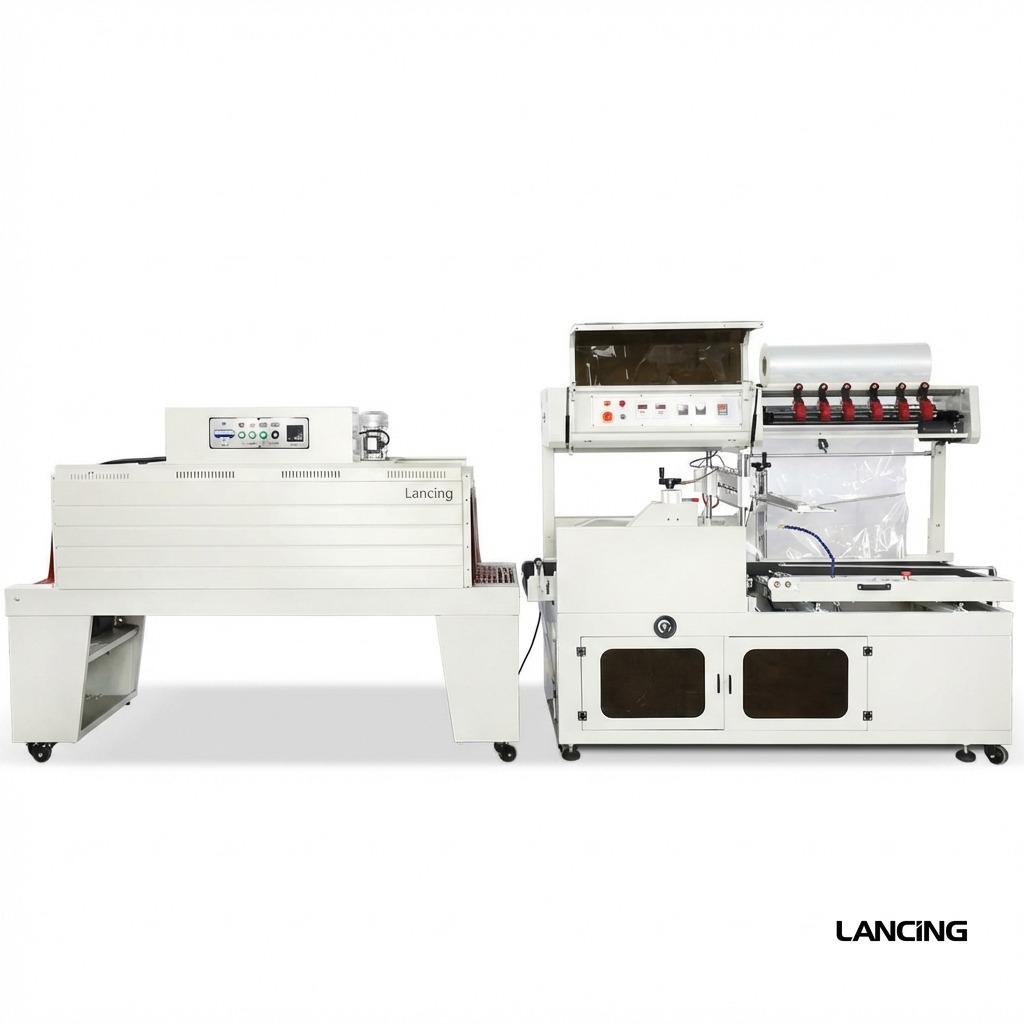
Perforation allows trapped air to escape during shrinking. Without the right escape path, packs can balloon, wrinkle or fail to shrink tightly.
As film shrinks in the tunnel, air inside the pack needs a route out. The right perforation can improve presentation and reduce ballooning.
Film may be supplied with perforation or perforated on the machine depending on equipment and film route. The best option depends on product and finish.
Pack shape, speed, tunnel setting and film thickness all change how air escapes. Sample testing is the best way to confirm quality.
| Product range | Largest and smallest pack dimensions, product weight, photographs and notes about pack stability. |
|---|---|
| Production target | Required packs per minute, daily volume, shift pattern and expected changeover frequency. |
| Film and finish | Preferred film type if known, presentation standard, seal position and any retail requirements. |
| Site information | Available floor space, power, compressed air, access route, conveyor height and downstream packing method. |
FAQ
Many do, but it depends on film, pack and machine route.
Yes. Excessive perforation can affect strength or presentation.
The machine and film supplier should review it with the product samples.
Related pages
Use these pages to compare machinery routes before requesting a quotation.
Useful next step for comparing L sealers, shrink tunnels, film route and quotation requirements.
Useful next step for comparing L sealers, shrink tunnels, film route and quotation requirements.
Useful next step for comparing L sealers, shrink tunnels, film route and quotation requirements.
Useful next step for comparing L sealers, shrink tunnels, film route and quotation requirements.
Useful next step for comparing L sealers, shrink tunnels, film route and quotation requirements.
Useful next step for comparing L sealers, shrink tunnels, film route and quotation requirements.