Direct answer
The tunnel conveyor must support the pack while allowing the required heat and airflow around it
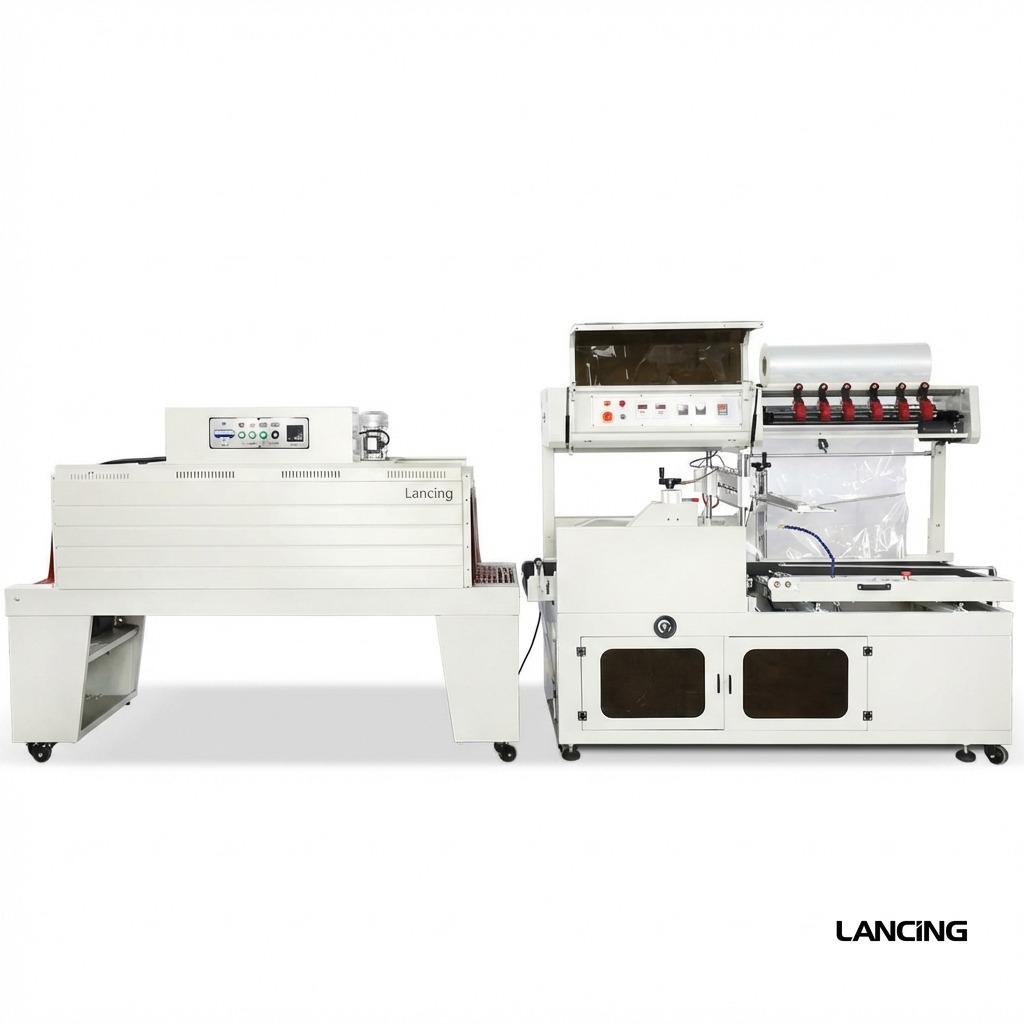
Direct answer: A shrink-tunnel conveyor affects product support, dwell time, underside airflow, contact marks, seal position and discharge stability. The correct construction cannot be chosen from film type alone. It must be matched to the product base, weight, temperature sensitivity, required finish and the way the pack enters and leaves the heated zone.
Open conveying surfaces can expose more of the underside to moving air, while closer or solid support can help small or flexible products. Any conveyor can leave a pattern or influence how the seam moves if the hot film presses against it. The machine designer should therefore balance airflow with support and test the real pack after cooling.
| Conveyor characteristic | Potential benefit | Point to prove |
|---|
| Open mesh, rod or spaced support | Can allow air around more of the underside. | Small or soft packs must not sag, mark or become unstable. |
| Closer or continuous support | Can support short, flexible or easily marked products. | Underside film still needs the required heat and release behaviour. |
| Rotating or moving contact | May change seam position or expose surfaces differently. | The product must remain controlled without unwanted rotation. |
| Entrance and exit transfer | Connects the tunnel to the sealer and downstream line. | Hot film, small bases and height changes must transfer cleanly. |
Trial checks for conveyor support
- Observe the pack at the tunnel entrance, through the heated zone and at discharge.
- Inspect the underside and contact faces after the pack has cooled.
- Check whether the seal line is pulled into an acceptable position.
- Run the smallest, heaviest, softest and least stable products.
- Include the normal downstream turn, guide or accumulation pressure.
- Record any marking, rotation, bridging or delay that appears only during a longer run.
How does the tunnel conveyor affect airflow around the pack?
Direct answer: The conveyor changes how much of the underside is exposed and how air can circulate around contact points.
The effect depends on the tunnel airflow design and conveyor construction. A more open support is not automatically better if the pack sags or moves, and a more continuous support is not automatically better if it shields an area that must shrink.
Direct answer: Hot film can conform to the conveyor surface or press a flexible product against it before the film and pack have stabilised.
Marking is affected by film temperature, contact area, product weight, conveyor pattern and cooling. Inspection should be carried out on the cooled pack, including the underside that is not visible on the moving line.
When is underside heat or bottom airflow important?
Direct answer: Underside heat is important when film beneath the product must recover evenly or when the seam needs to move away from a visible face.
The required balance is application-specific. Excessive local exposure can also mark a product or over-shrink one area, so bottom airflow should be evaluated with product support and dwell time together.
What should be checked when products move or rotate in the tunnel?
Direct answer: Check the entrance transfer, conveyor speed, airflow force, product centre of gravity, base friction and any change caused by the film as it shrinks.
The movement may begin before the tunnel or only when the film tightens. Video from the safe observation position and marks on the cooled pack can help identify the stage without opening guards or interfering with the moving product.
Scope note: Conveyor construction and tunnel airflow are machine-specific. Lancing should confirm the proposed support using representative products and the intended film.