Automatic L sealer line layout
Related L sealer and shrink wrapping machinery guidance for narrowing the correct specification before requesting a quote.
Line layout planning
A shrink wrapping line layout should consider product flow before, through and after the sealer and tunnel. Good layout reduces handling, keeps operators safe and helps the machine achieve the target output.
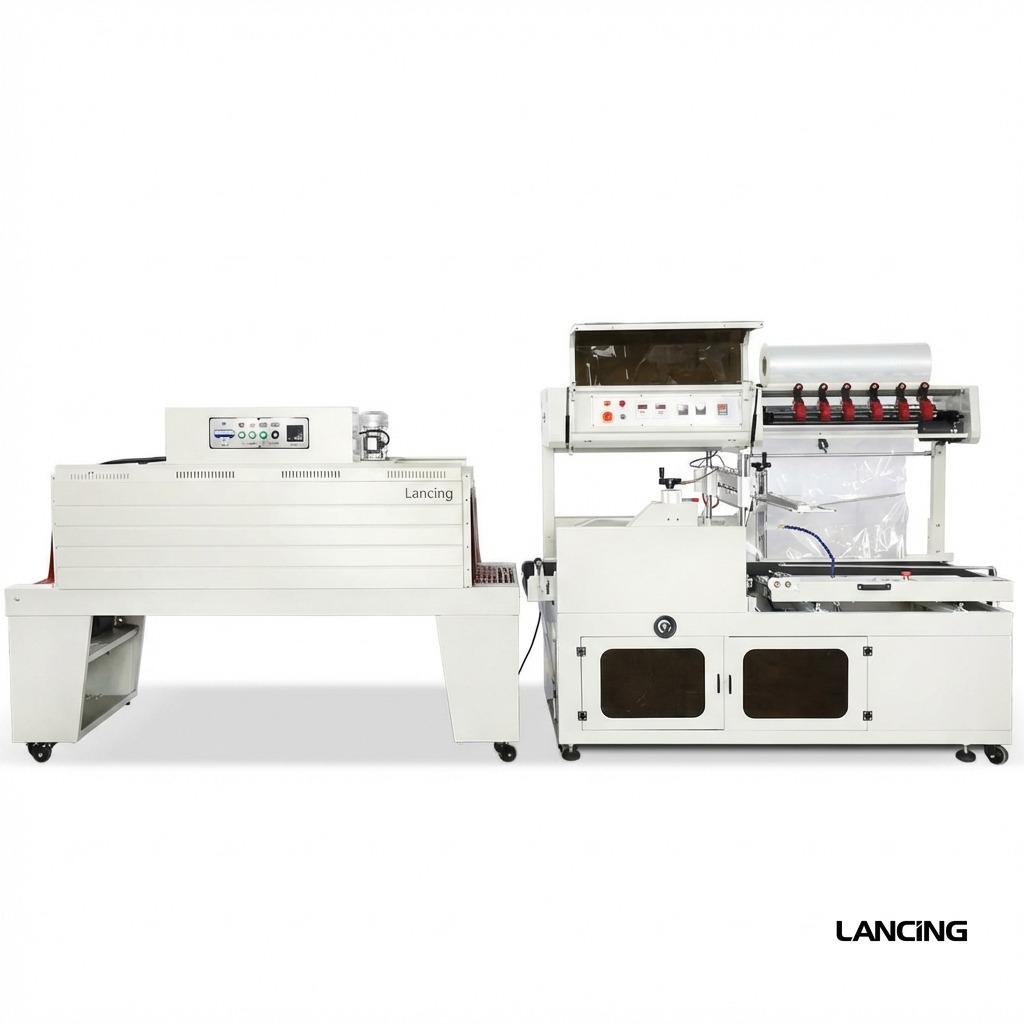
This page is for buyers planning new shrink wrapping equipment or moving existing machinery into a different packing area.
Lancing UK can review product sizes, pack photos, film choice, target output and site layout before recommending a suitable L sealer, heat tunnel, chamber sealer, sleeve sealer or related shrink wrapping machine route.
For the most accurate advice, send dimensions for the smallest and largest pack, expected packs per minute, whether the product is manually loaded or conveyor fed, and any space or utility restrictions on site.
FAQ
Send product dimensions, photographs, target output, film preference, available utilities and any line layout information.
Yes. Lancing UK can review whether an L sealer, chamber sealer, sleeve sealer, heat tunnel or wider shrink wrapping line is the correct route.
Yes. Film type, gauge, width and perforation affect seal quality, tunnel settings and final pack appearance.
Related pages
These pages help narrow the best machine route before requesting a quotation.
Related L sealer and shrink wrapping machinery guidance for narrowing the correct specification before requesting a quote.
Related L sealer and shrink wrapping machinery guidance for narrowing the correct specification before requesting a quote.
Related L sealer and shrink wrapping machinery guidance for narrowing the correct specification before requesting a quote.
Related L sealer and shrink wrapping machinery guidance for narrowing the correct specification before requesting a quote.