L sealer machine UK
Compare automatic, semi-automatic and tunnel-based L sealer routes.
Line integration
A good L sealer line layout balances product flow, operator access, tunnel heat, utilities and downstream packing space.
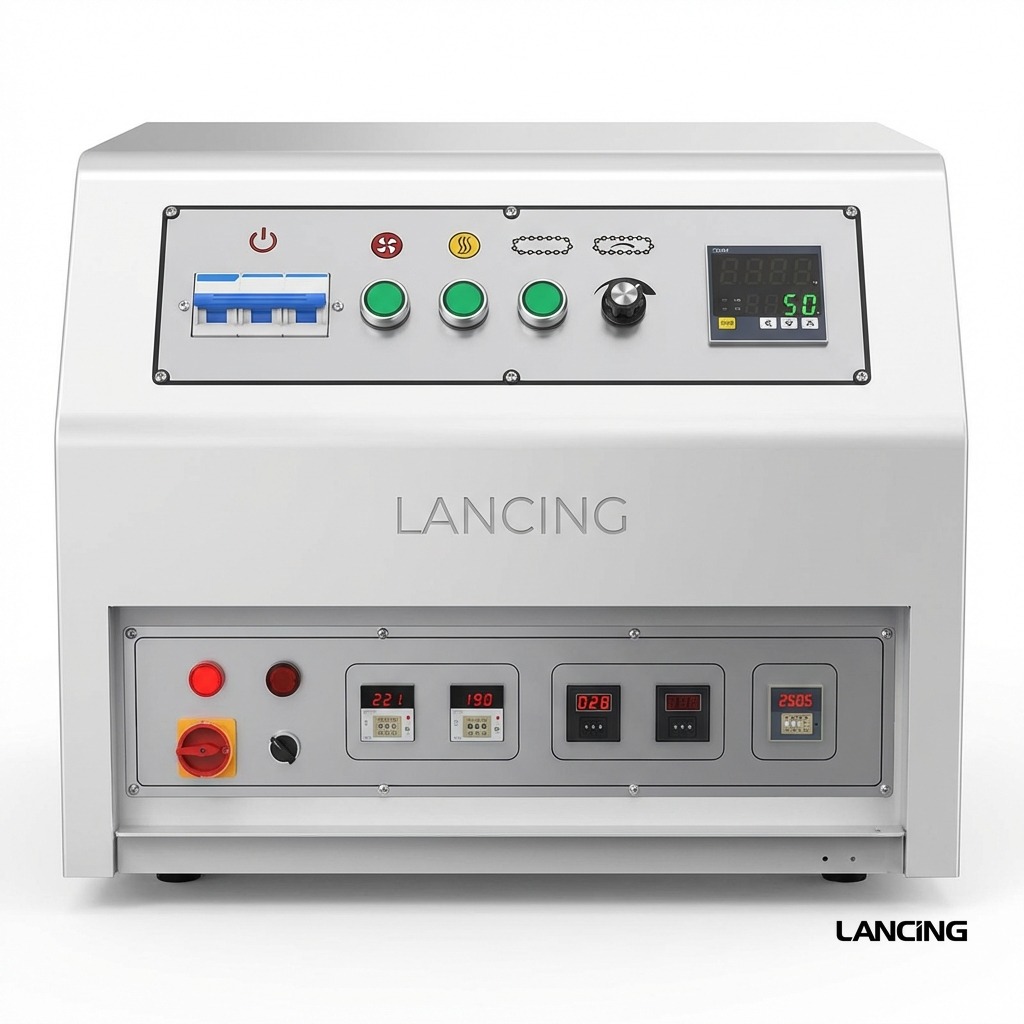
A good L sealer line layout balances product flow, operator access, tunnel heat, utilities and downstream packing space.
Layout should be reviewed before ordering because machine performance depends on more than the sealer itself. Access, product flow and utilities all affect practical operation.
A fast sealer cannot deliver value if product loading, tunnel transfer or downstream packing cannot keep up. The line should be specified as a complete process.
| Pack dimensions | Largest and smallest product sizes, pack weight, stability and whether products are single cartons, bundles or trays. |
|---|---|
| Required output | Target packs per minute, daily volume, shift length, changeover frequency and whether future output may increase. |
| Film and finish | Preferred shrink film if known, presentation requirements, seal position, retail display needs and barcode visibility. |
| Line layout | Available floor space, infeed method, conveyor height, power, compressed air and whether a shrink tunnel is needed. |
FAQ
It depends on the chosen sealer, tunnel, conveyors and operator access. A simple floor plan is useful.
Sometimes, but maintenance access and heat around the tunnel must be considered.
Yes. A sketch, dimensions and photos are enough to start a practical layout discussion.
Related pages
Use these pages to compare L sealers, shrink tunnels, film route and quotation requirements.
Compare automatic, semi-automatic and tunnel-based L sealer routes.
Review automatic sealing and shrink wrapping options for higher output lines.
Understand when a combined sealer and tunnel route is the best fit.
Compare L sealers, chamber machines, tunnels and wider packaging routes.
Prepare product and line details before requesting a quotation.
Send pack sizes, output target and film needs to Lancing UK.
Layout hand-off
Direct answer: A line-layout sketch becomes installation-ready when it also confirms services, access, heat management, product detection, upstream and downstream interfaces, and how the finished pack will be cooled and handled. A drawing that only shows machine footprints may still miss the details that affect running performance.
Related guidance: Site preparation and utilities · Controls integration · Outfeed conveyor planning