L sealer machine UK
Compare automatic, semi-automatic and tunnel-based L sealer routes.
Installation planning
Energy use is mainly driven by tunnel heating, warm-up time, production hours and how the line is operated.
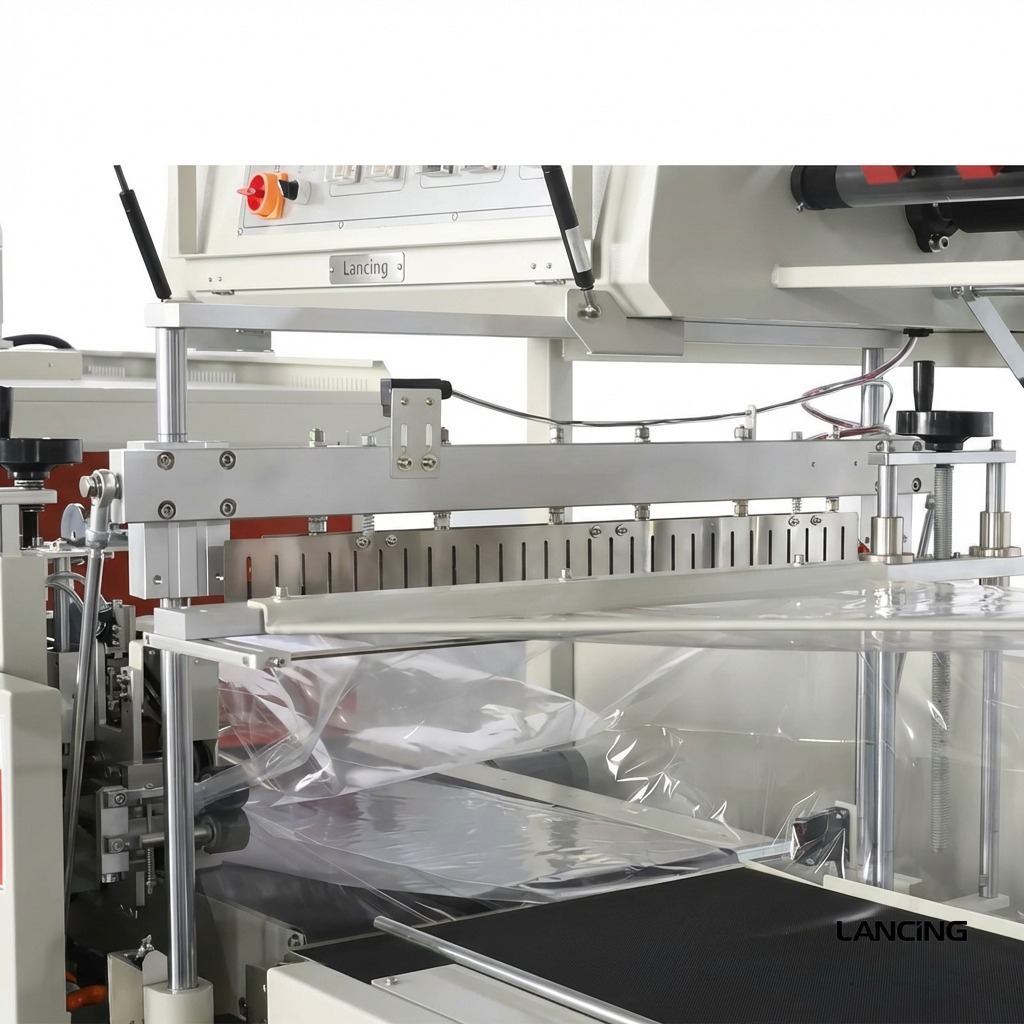
Energy use is mainly driven by tunnel heating, warm-up time, production hours and how the line is operated.
A correctly sized line can reduce unnecessary warm-up, idle time and poor-quality rework. Oversizing or wrong settings can increase waste and energy use.
Grouping production runs, documenting settings and avoiding constant stop-start operation can help keep the process consistent.
| Pack dimensions | Largest and smallest product sizes, pack weight, stability and whether products are single cartons, bundles or trays. |
|---|---|
| Required output | Target packs per minute, daily volume, shift length, changeover frequency and whether future output may increase. |
| Film and finish | Preferred shrink film if known, presentation requirements, seal position, retail display needs and barcode visibility. |
| Line layout | Available floor space, infeed method, conveyor height, power, compressed air and whether a shrink tunnel is needed. |
FAQ
Usually yes, because it has heaters and airflow systems.
Correct temperature and conveyor speed reduce waste and unnecessary rework.
Yes, especially for long shifts or high-volume production.
Related pages
Use these pages to compare L sealers, shrink tunnels, film route and quotation requirements.
Compare automatic, semi-automatic and tunnel-based L sealer routes.
Review automatic sealing and shrink wrapping options for higher output lines.
Understand when a combined sealer and tunnel route is the best fit.
Compare L sealers, chamber machines, tunnels and wider packaging routes.
Prepare product and line details before requesting a quotation.
Send pack sizes, output target and film needs to Lancing UK.