Automatic L-sealers
Review automatic machine routes.
Line control
Stable spacing and reliable product detection are essential for repeatable automatic L-sealer operation.
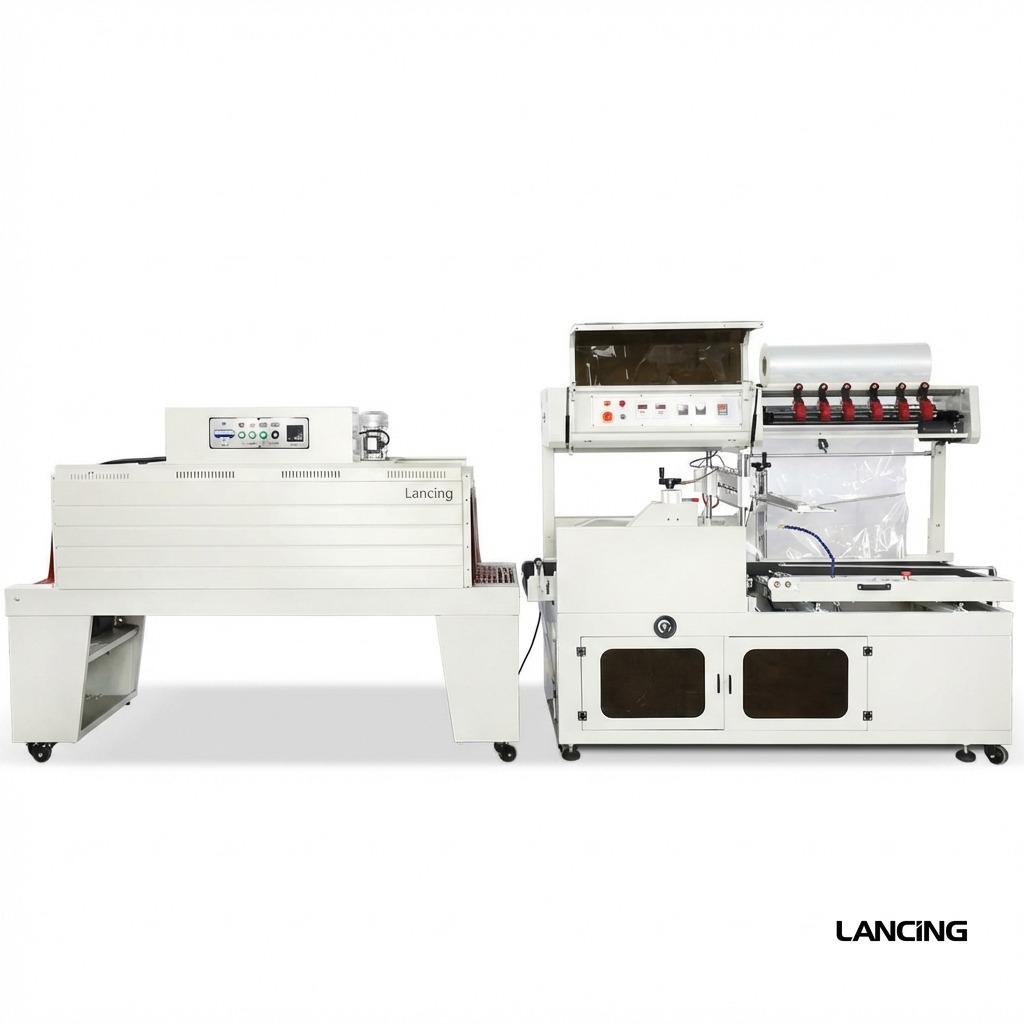
Product flow
The sealing cycle depends on the product reaching the film and seal area in a predictable position. If packs arrive too close, skewed or unstable, the machine may seal in the wrong place or create inconsistent packs.
For automatic L-sealer projects, the infeed arrangement should be specified with the product, not treated as a simple conveyor afterthought.
| Check | How to assess it | Acceptance evidence |
|---|---|---|
| Product gap | Distance between consecutive packs before detection. | Consistent gap with no double-feeding or contact. |
| Sensor point | Detection face and leading edge behaviour. | Stable trigger point before the sealing cycle. |
| Guide rails | Product control without rubbing artwork or labels. | Straight product entry into the film path. |
| Transfer height | Infeed, sealer and tunnel heights. | No step or drop that disturbs pack position. |
Review automatic machine routes.
Check conveyors and footprint.
Record line-control data.
Troubleshooting
FAQ
Often yes, but each size should be checked with the guide and sensor position.
It affects output, but the sealing cycle, tunnel dwell and discharge handling also matter.
Yes. Box gloss, colour, shape and stability can all affect detection and transfer.