Infeed spacing guide
Record automation-specific flow data.
Project specification
A structured template helps compare automatic L-sealer quotations on the same evidence rather than on unsupported headline claims.
Template sections
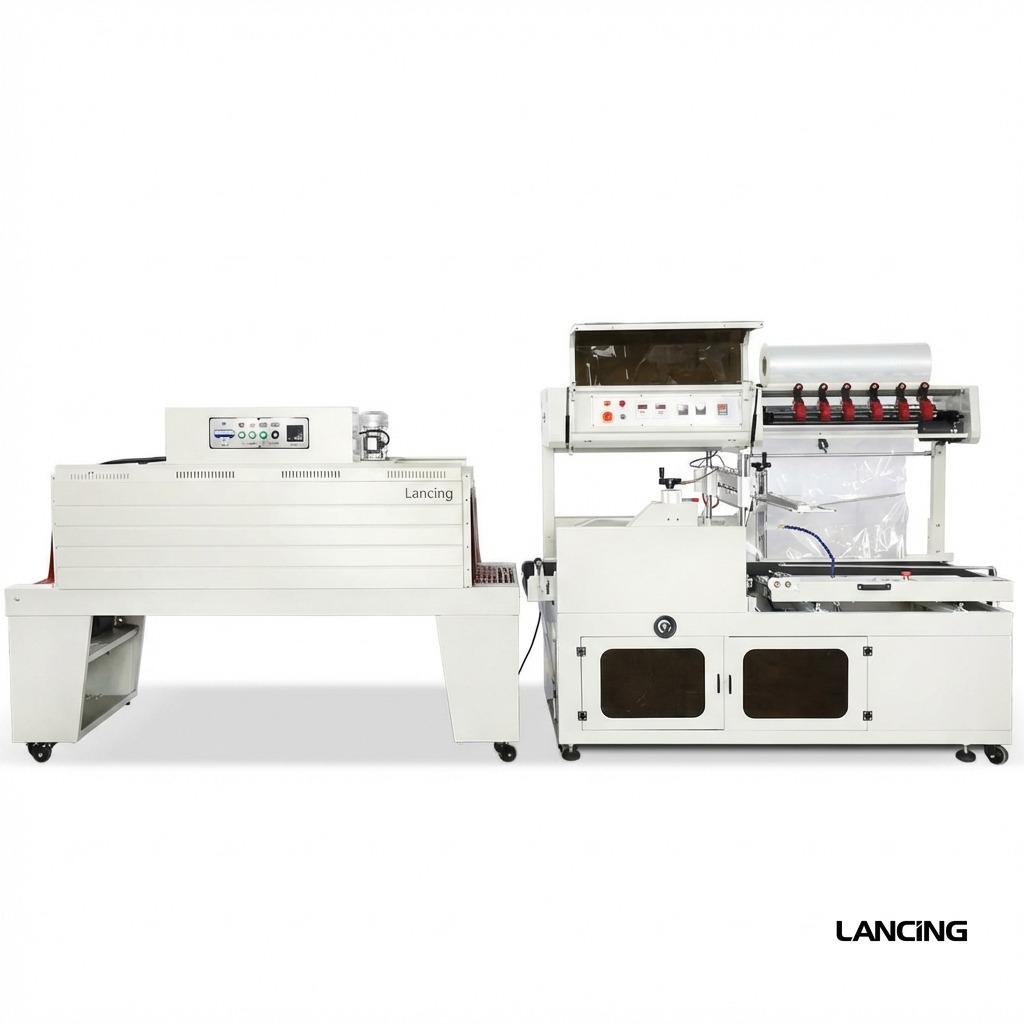
Automatic L-sealer projects involve product handling, film, sealing, tunnel shrinking and downstream handling. A clear template helps confirm what is known, what is assumed and what needs testing.
Unknown fields should be left blank rather than guessed. Lancing can then identify which information is essential before quotation or trial.
| Check | How to assess it | Acceptance evidence |
|---|---|---|
| Product data | Product range, dimensions, weight and pack stability. | Machine envelope and product handling route. |
| Film data | POF or PE, centre-fold width, roll size, thickness and perforation. | Seal and tunnel behaviour. |
| Line data | Infeed method, output target, outfeed handling, conveyor height and utilities. | Integration and installation requirements. |
| Acceptance data | Good-pack standard, reject examples, sample availability and sign-off method. | Objective comparison between quotations. |
Record automation-specific flow data.
Connect specification to acceptance.
Return to the main commercial route.
Use cases
FAQ
Include target output and the conditions behind it, such as product, film and feed method.
Lancing can advise what needs checking, but unknown data should not be guessed.
It is designed for automatic projects, but much of the evidence also helps compare semi-automatic routes.