POF vs PE film guide
Compare film routes.
Film and artwork
Printed film adds artwork and barcode requirements that should be reviewed before selecting the L-sealer route.
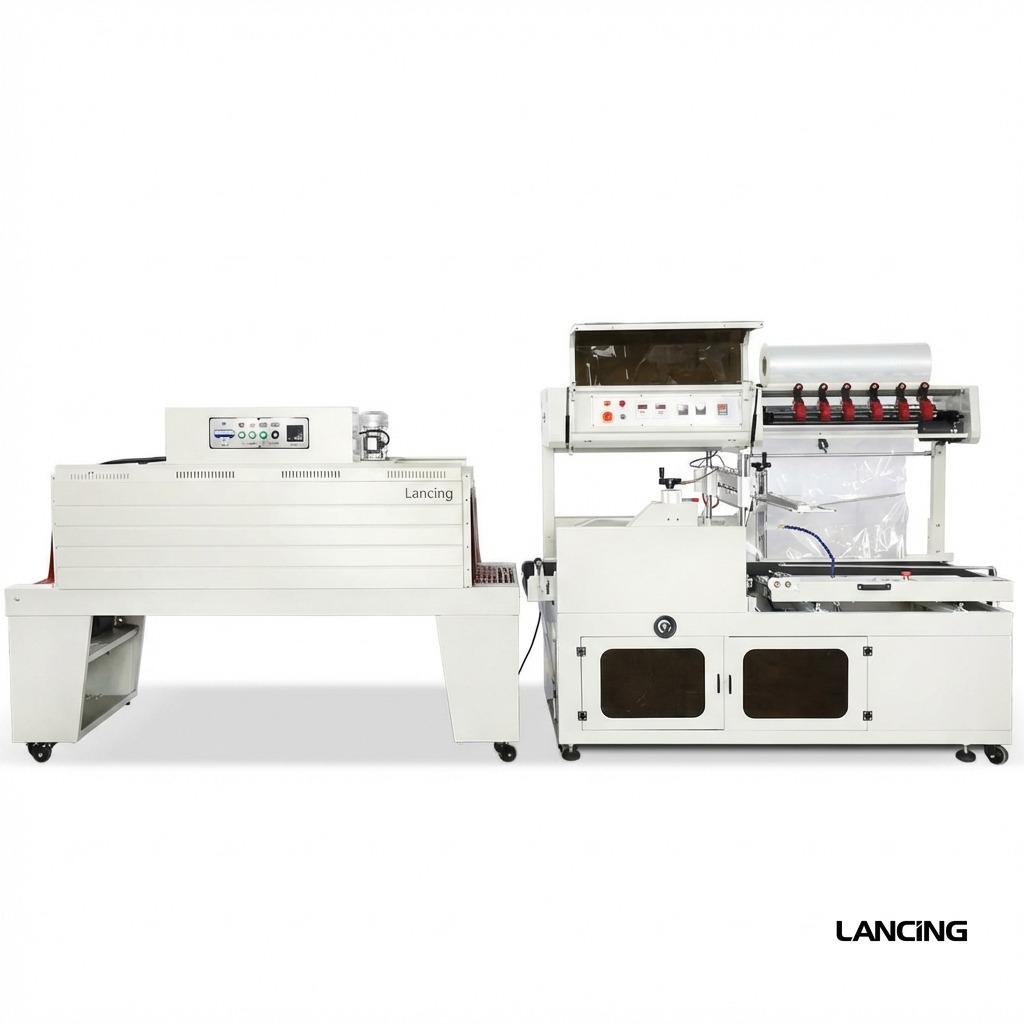
Film route
Plain shrink film is usually specified around size, clarity, thickness and shrink behaviour. Printed film adds artwork position, repeat length, barcode visibility and registration tolerance.
Before committing to printed film, check where the L seal will land, which face needs to remain visible and whether product detection can read the pack reliably.
| Check | How to assess it | Acceptance evidence |
|---|---|---|
| Artwork position | Graphics and barcode faces relative to seal position. | Seal does not cover critical artwork or codes. |
| Repeat and registration | Print repeat, eye mark or registration method if used. | Print remains aligned with the product presentation face. |
| Film tension | Film feed and roll handling. | Reduces drifting artwork and uneven shrink. |
| Tunnel effect | Heat and shrink recovery on printed areas. | Finished graphics remain acceptable after shrinking. |
Compare film routes.
Check centre-fold sizing.
Define visual standards.
Evidence
FAQ
It depends on film, product orientation and how closely artwork must register.
Yes. Film position and shrink can affect barcode readability.
Artwork, mock-ups and product photos can help identify registration or seal-position risks.
A flat artwork proof and a finished shrink-wrapped pack answer different questions. Mark the critical text, graphics and code areas on the proof, then inspect their final position and appearance on the trial pack. Keep product orientation and film winding details with the artwork revision.
If registration requirements are tight, state the permitted variation and ask how the proposed equipment detects and controls the repeat. Do not assume every L-sealer includes the same printed-film functions. The proposal should identify the required sensing, format parts and inspection method.
It does not establish artwork registration. Trial the intended print layout and material under the agreed finished-pack acceptance conditions.