Automatic L sealer machines
Related guidance for comparing shrink wrapping machinery, film, output and installation requirements.
Shrink film selection
Film choice has a direct effect on seal quality, tunnel settings and finished pack appearance. POF and PE shrink films are both used in shrink wrapping, but they are not specified for the same reasons.
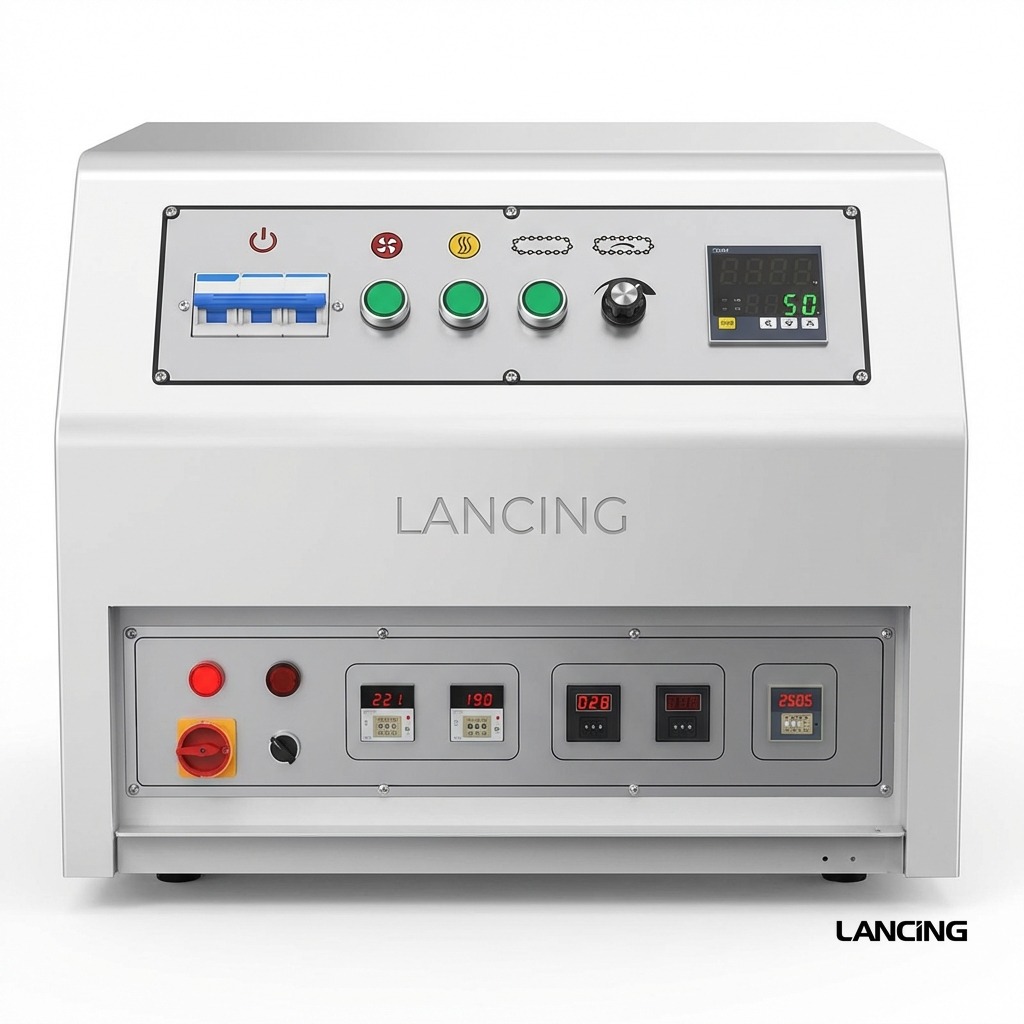
The sealer, tunnel aperture, belt speed and heat control need to suit the film. A film that works on one pack format may give a poor result on another if heat or sealing conditions are wrong.
For a reliable recommendation, send product dimensions, photographs, required output, film preference, available floor space, power and compressed air details. Lancing UK can then check the correct machine aperture, heat tunnel size, conveyor layout and operator access before quoting.
FAQ
POF is often used for clear presentation packs with L sealers. PE is more common for stronger grouped packs and sleeve wrapping.
Some machines may support more than one film type, but the specification and settings need to be checked.
Yes. Film type and thickness affect temperature, dwell time, airflow and final pack appearance.
Related pages
Use these related pages to choose the correct L sealer, chamber sealer, sleeve sealer or heat tunnel route.
Related guidance for comparing shrink wrapping machinery, film, output and installation requirements.
Related guidance for comparing shrink wrapping machinery, film, output and installation requirements.
Related guidance for comparing shrink wrapping machinery, film, output and installation requirements.
Related guidance for comparing shrink wrapping machinery, film, output and installation requirements.
Related guidance for comparing shrink wrapping machinery, film, output and installation requirements.
Related guidance for comparing shrink wrapping machinery, film, output and installation requirements.
Film selection
Film choice changes the way an L-sealer performs. POF and PE can both be used in shrink wrapping applications, but they do not always behave the same in the seal area, tunnel or discharge. The supplied LU-SPL6 route lists POF / PE film compatibility, but each project should still confirm thickness, centre-fold width, shrink behaviour and pack finish.
For a fair comparison, test the film on the actual product. The acceptance criteria should include seal strength, corner appearance, clarity, trapped air, perforation needs, print or barcode visibility and whether the pack remains acceptable after cooling.
| Selection point | What to confirm | Why it matters |
|---|---|---|
| Centre-fold width | Calculate from product width, height and film allowance. | Too narrow causes tight feeding; too wide leaves excess film and poor appearance. |
| Thickness and seal behaviour | Confirm with the actual sealing wire or blade setup. | The same dwell and temperature may not suit every film. |
| Perforation and air release | Check whether air is trapped during shrinking. | Trapped air can cause balloons, wrinkles or inconsistent recovery. |
| Cooling and handling | Review the pack after it has cooled. | Some defects only become obvious once the film stabilises. |
Calculate the information needed for centre-fold film selection.
Review trapped air and perforation requirements.
Check common finished-pack quality issues.
The LU-SPL6 route lists POF / PE compatibility, but settings and finished quality should be confirmed with the actual product and film.
Centre-fold film is folded on one edge so the product can be enclosed before the L seal is made.
Perforation helps trapped air escape during shrinking, which can improve pack appearance for some products.
It can affect sealing dwell, tunnel dwell and cooling, so output should be proven during testing.
Check seal strength, clarity, wrinkles, dog-ears, trapped air, barcode visibility and handling after cooling.
Related guidance: LU-SPL6 detail · Shrink tunnel airflow · Sample testing
Film route evidence
Film choice affects seal temperature, dwell time, tunnel behaviour, presentation and pack strength. POF and PE are not interchangeable assumptions; they need to be checked against the product, tunnel and finished-pack objective.
The enquiry should include film material, thickness, centre-fold width, roll size and whether perforation is needed. If printed film is being considered, registration and artwork tolerance should be reviewed before committing to the machine route.
| Point to confirm | What Lancing checks | Why it matters |
|---|---|---|
| POF film | Presentation packs, retail cartons and many boxed products. | Often considered where clarity and neat finish are important. |
| PE film | Some grouped or stronger transit-style packs. | May need different tunnel behaviour and sealing considerations. |
| Centre-fold width | Product width plus height plus clearance. | Controls whether the pack fits and where the seal lands. |
| Perforation | Air release during tunnel shrinking. | Can reduce ballooning or trapped air in suitable applications. |
Review artwork, registration and barcode visibility.
Check centre-fold sizing.
Define the required film finish.
Settings should be confirmed for the film and product rather than assumed to be the same.
It affects seal position, product coverage, film waste and whether the pack can enter the tunnel cleanly.
Printed film should be discussed early because registration, artwork position and product detection can affect machine selection.
Useful next step: Send product dimensions, photos, film details and target output through the existing enquiry form so Lancing can check the L-sealer route before quotation.
Film evidence
Direct answer: POF and PE film should be checked on the actual product because the same machine route can behave differently with different film thickness, centre-fold width, perforation, seal dwell and tunnel recovery. The film choice is part of the machine specification, not a consumable detail to resolve later.
Related guidance: Film seal-window testing · Perforation guide · Sample testing