FAT/SAT checklist
Use acceptance criteria in sign-off.
Pack quality
Agreeing a good-pack standard makes sample trials, FAT, SAT and troubleshooting more objective.
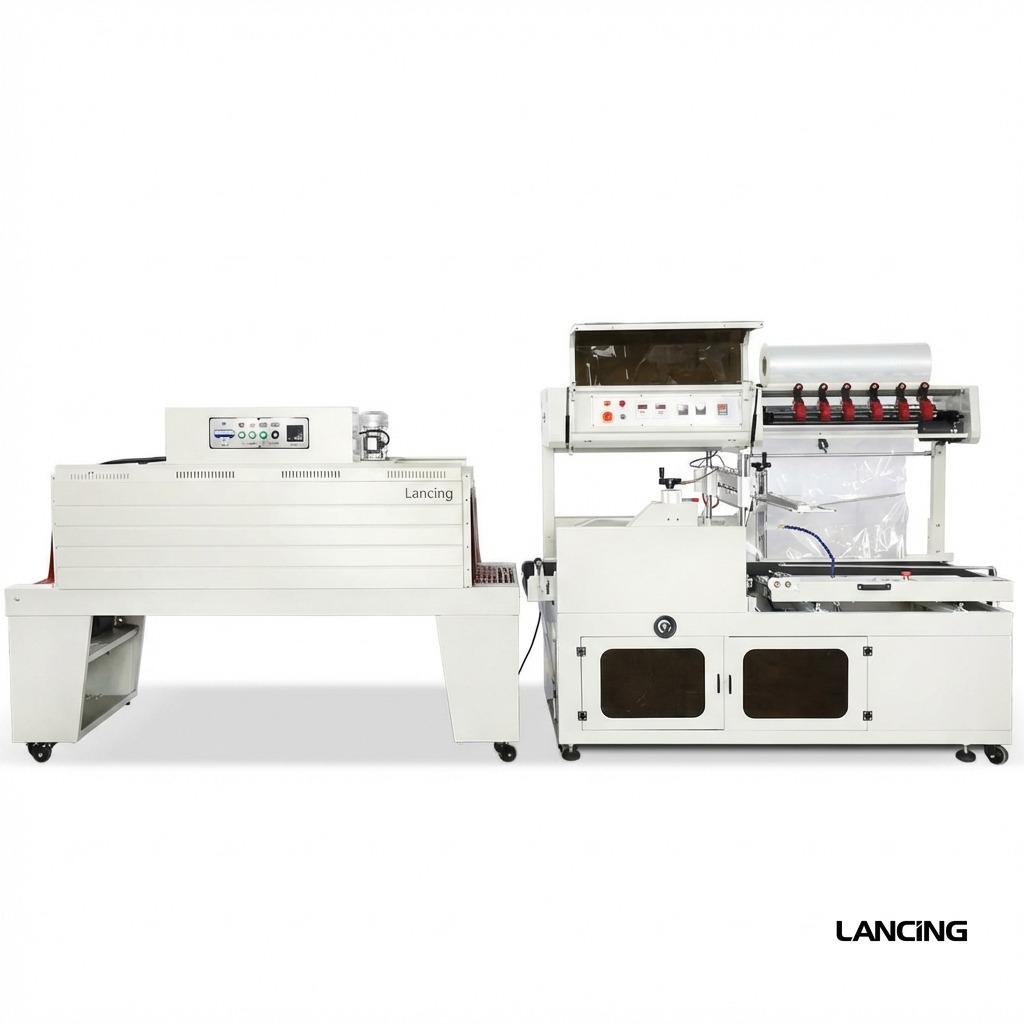
Quality standard
Pack quality can be subjective unless the buyer and supplier agree what should be accepted. For L-sealer projects, the standard should include seal strength, seal position, film clarity, wrinkles, trapped air, barcode visibility and post-tunnel handling.
A useful acceptance standard also states which defects are cosmetic, which are functional and which make the pack unsuitable for release.
| Check | How to assess it | Acceptance evidence |
|---|---|---|
| Seal position | Seal lands away from critical artwork, openings and unstable edges. | Good/reject photos for each product family. |
| Seal integrity | No splits, open corners, burn-through or contamination marks. | Manual check or retained samples after trial. |
| Tunnel finish | Controlled wrinkles, no severe dog-ears and acceptable presentation. | Photos at tunnel exit and after cooling. |
| Post-cooling handling | No marking, distortion or barcode visibility issue after discharge. | Inspect after normal handling process. |
Use acceptance criteria in sign-off.
Plan tests around good/reject samples.
Control post-tunnel defects.
Acceptance examples
FAQ
A good pack meets the agreed seal, shrink, presentation and handling standard for that product.
Not always. The acceptance standard should state which wrinkles are acceptable and which affect presentation or function.
Reject examples make future troubleshooting and operator training more consistent.