Direct answer
Compare the complete project boundary, evidence and assumptions—not only the model name and price
Direct answer: Procurement should compare L-sealer quotations against one common application brief covering products, film, output conditions, line interfaces, utilities, services and acceptance evidence. Two quotations are not equivalent when one includes a tunnel, transfer conveyors, controls interfaces, installation or testing that the other assumes will be supplied elsewhere.
A useful comparison separates verified capability from untested expectation. The same headline speed can refer to different products, spacing, operators or film. Likewise, a machine described as automatic may still rely on upstream spacing or downstream handling outside its quoted boundary. Every material assumption should be visible before commercial approval.
| Comparison area | Question to ask | Evidence to align |
|---|
| Pack range | Which exact products and tolerances are included? | Dimension table, photos, weights and difficult samples. |
| Film and finish | Which film is assumed and what is an acceptable pack? | Film specification, good-pack examples and barcode or cosmetic checks. |
| Output | Under which spacing, operator and product conditions is the rate stated? | Trial method, cycle assumptions and upstream/downstream limits. |
| Line boundary | Where does the supplier scope start and finish? | Layout, conveyor interfaces, controls signals and guarding boundaries. |
| Services | What installation, commissioning, training and documentation are included? | Written scope, location assumptions and acceptance plan. |
| Commercial assumptions | Which items, utilities and work are provided by the buyer? | Clear exclusions and responsibilities, not informal understanding. |
Quotation comparison sequence
- Issue the same product and site brief to each supplier.
- Map each quotation against the same line boundary and deliverables.
- Highlight untested outputs, film assumptions and products outside the quoted range.
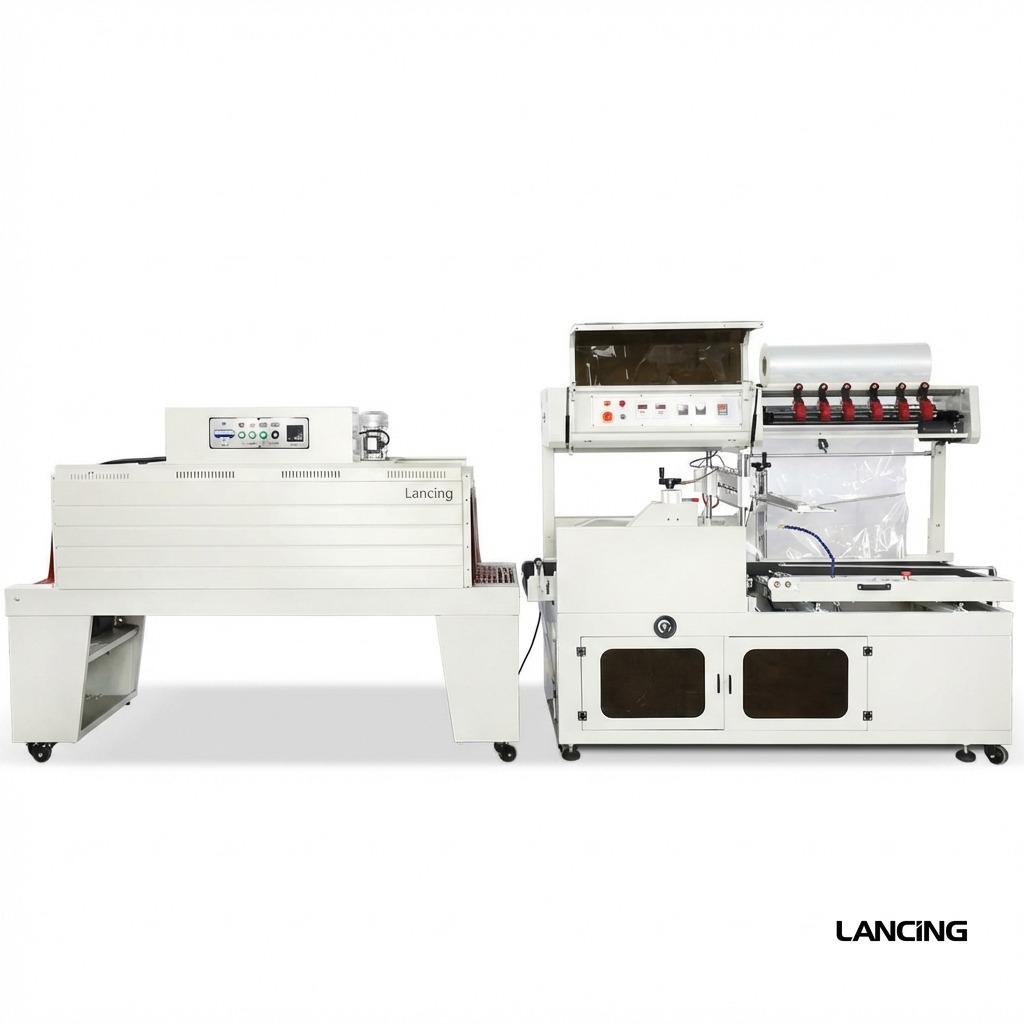
- Compare the tunnel, conveyor and controls scope as part of the system.
- Align installation, commissioning, training, documentation and acceptance evidence.
- Resolve material exclusions before comparing the final commercial position.
Why can two L-sealer quotations look similar but cover different projects?
Direct answer: Similar model descriptions can hide different tunnel sizes, conveyor scope, controls, testing, services and buyer responsibilities.
A quotation may describe only the sealing machine while another covers the working line. The comparison should use a marked layout and responsibility matrix so omissions are not discovered during installation.
Which exclusions should procurement compare line by line?
Direct answer: Compare every exclusion that could affect whether the equipment can be installed, integrated, accepted and operated for the stated application.
Typical review headings include utilities, access, film, conveyors, guarding boundaries, upstream spacing, downstream handling, coding or inspection interfaces, installation work, training, documentation, trials and site acceptance. The actual list must follow the project scope.
How should output claims be compared fairly?
Direct answer: Output claims should be compared using the same product, film, spacing, feed method, tunnel conditions and definition of an acceptable pack.
A cycle rate, bags-per-minute figure and finished good-pack rate may describe different things. Procurement should ask what stops, changeovers, rejects and operator tasks are excluded from the stated number.
What evidence should be requested before placing an order?
Direct answer: Request enough evidence to show that the proposed scope matches the products, site and acceptance criteria, without expecting unsupported guarantees.
Useful evidence can include drawings, data sheets, sample results, videos of representative operation, utility information, a responsibility schedule and a written FAT or SAT approach. The required evidence should be proportionate to project risk and value.
Scope note: This checklist is a technical comparison aid, not a substitute for reviewing the actual quotation, contract terms and site responsibilities.