FAT/SAT acceptance checklist
Set practical checks for sample packs, site acceptance and sign-off.
Acceptance evidence
Use a clear acceptance checklist to check samples, settings, pack quality and operator handover before an L-sealer project is signed off.
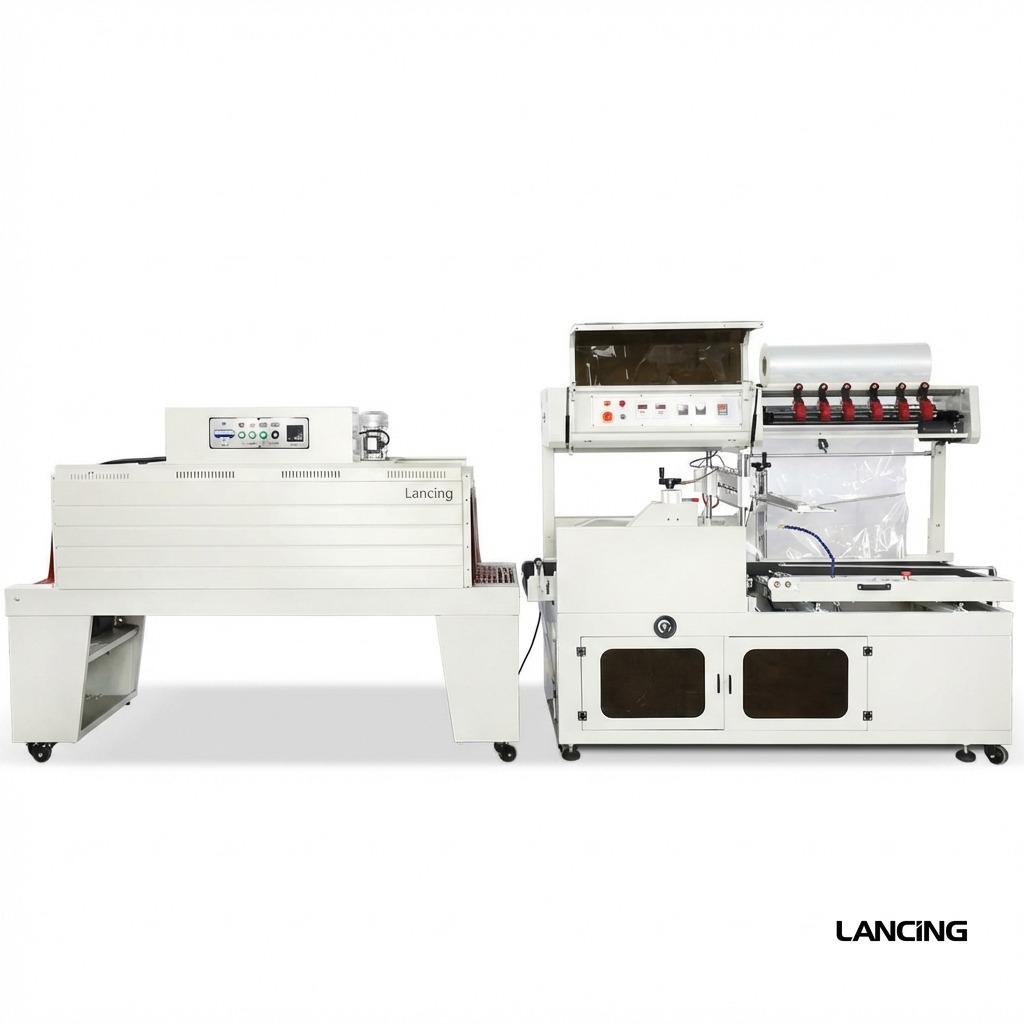
Acceptance stages
FAT and SAT checks should focus on the real pack, not only whether the machine runs. A useful checklist covers the sealer, tunnel, film, product handling, guarding, operator access and finished-pack quality.
Where exact production figures are important, they should be linked to product, film and operator or conveyor conditions. Unsupported headline output claims should not be used as acceptance evidence.
| Check | How to assess it | Acceptance evidence |
|---|---|---|
| Factory acceptance | Run representative samples using the agreed film and pack sizes. | Signed photos, video notes or retained samples showing acceptable seal and shrink finish. |
| Site acceptance | Check the same products at the customer site with actual utilities and layout. | Confirmation that transfer, cooling and operator access work in the intended position. |
| Operator handover | Confirm routine settings, changeover points, seal-area checks and safe clearing method. | Named sign-off that operators understand the basic production and fault response. |
| First production run | Review early output after normal operators take over. | Good-pack and reject examples retained for future troubleshooting. |
Set practical checks for sample packs, site acceptance and sign-off.
Plan how products arrive at the sealer without collisions or unstable gaps.
Define what an acceptable shrink-wrapped pack should look like before trials.
Checklist
FAQ
It depends on project complexity, but representative sample testing before shipment is useful where pack quality, integration or output are important.
FAT checks the machine before delivery; SAT checks the installed system using the site conditions and operator method.
Yes. Seal quality, shrink finish, trapped air, cooling marks and handling damage should be part of acceptance where they matter to the product.
Handover evidence
Acceptance should leave the buyer with a repeatable operating reference, not only a signed statement that the machine ran. The records should connect approved samples, settings, fault responses and operator responsibilities to the actual application.
Direct answer: Operator handover should cover normal start and stop, approved recipes, film loading, routine checks, changeover, first-off approval, safe fault clearing and escalation boundaries.
The handover should match the supplied machine and the site risk assessment. It should identify tasks that operators may perform and tasks that require isolation or a competent maintenance person, without relying on an informal demonstration alone.
Direct answer: First-off and last-off samples help show whether the approved finish is achieved at start-up and remains stable through the agreed run.
The samples should be labelled with product, film, date and recipe or setting reference. Photographs can support the record, but a retained physical sample may reveal seal, scuff or cooling details that are difficult to judge on screen.
Direct answer: Record the original trigger conditions, product, film, sequence and any available messages, then define how the condition will be checked again rather than closing it as unexplained.
A fault that depends on site infeed, utilities, temperature or operator method may need a controlled SAT check. The agreed action, evidence owner and acceptance consequence should be written into the open-item record.
Direct answer: The handover should include the documentation and records defined in the agreed supply scope, together with approved settings, sample evidence and training or acceptance sign-off where applicable.
Useful records can include manuals, drawings, utility data, spare-parts information, good-pack examples, fault notes and a list of unresolved actions. The exact package must follow the quotation and project agreement rather than an assumed generic list.
Related guidance: Project specification template · Pack quality criteria · Quotation comparison