Heat tunnels
Review tunnel options.
Tunnel finish
Cooling after the tunnel is part of pack quality, especially for retail cartons, printed packs and heat-sensitive products.
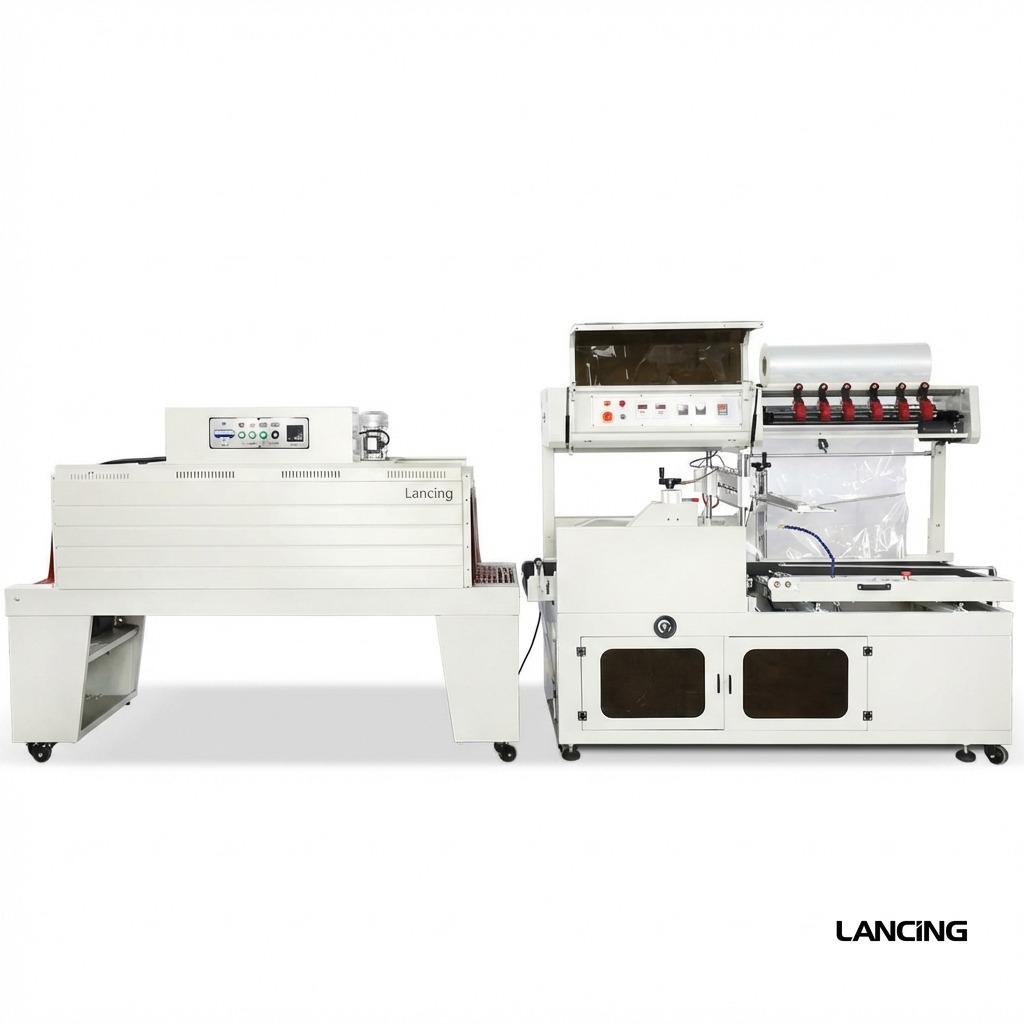
Cooling stage
The film can remain soft immediately after the shrink tunnel. Handling the pack too soon, stacking it hot or transferring it against rough surfaces can mark the film or distort cartons.
Tunnel temperature, dwell time and airflow must therefore be balanced with outfeed cooling distance and downstream handling.
| Check | How to assess it | Acceptance evidence |
|---|---|---|
| Soft film at exit | Observe whether packs mark or deform when handled. | Allow cooling or adjust discharge handling. |
| Carton distortion | Check corners, panels and product sensitivity. | Avoid excessive heat or unsupported transfer. |
| Airflow imbalance | Look for one-sided shrink, dog-ears or wrinkles. | Adjust tunnel setup or pack positioning. |
| Downstream handling | Check boxing, labelling or operator touch points. | Avoid damaging the pack after a good tunnel finish. |
Review tunnel options.
Understand airflow and dwell.
Define acceptable finish.
Practical checks
FAQ
Film can be soft at exit and can be marked or distorted by early handling.
No. Heat level, dwell time, product sensitivity and film choice also need checking.
Yes. Cooling and discharge space can be important for finished-pack quality.