Shrink wrapping machine validation trials
Related L sealer and shrink wrapping machinery guidance for narrowing the correct specification before requesting a quote.
Product samples and test packs
Sample testing allows a supplier to check the real pack rather than relying only on dimensions. It can reveal film width issues, heat sensitivity, product instability or tunnel settings that would otherwise be missed.
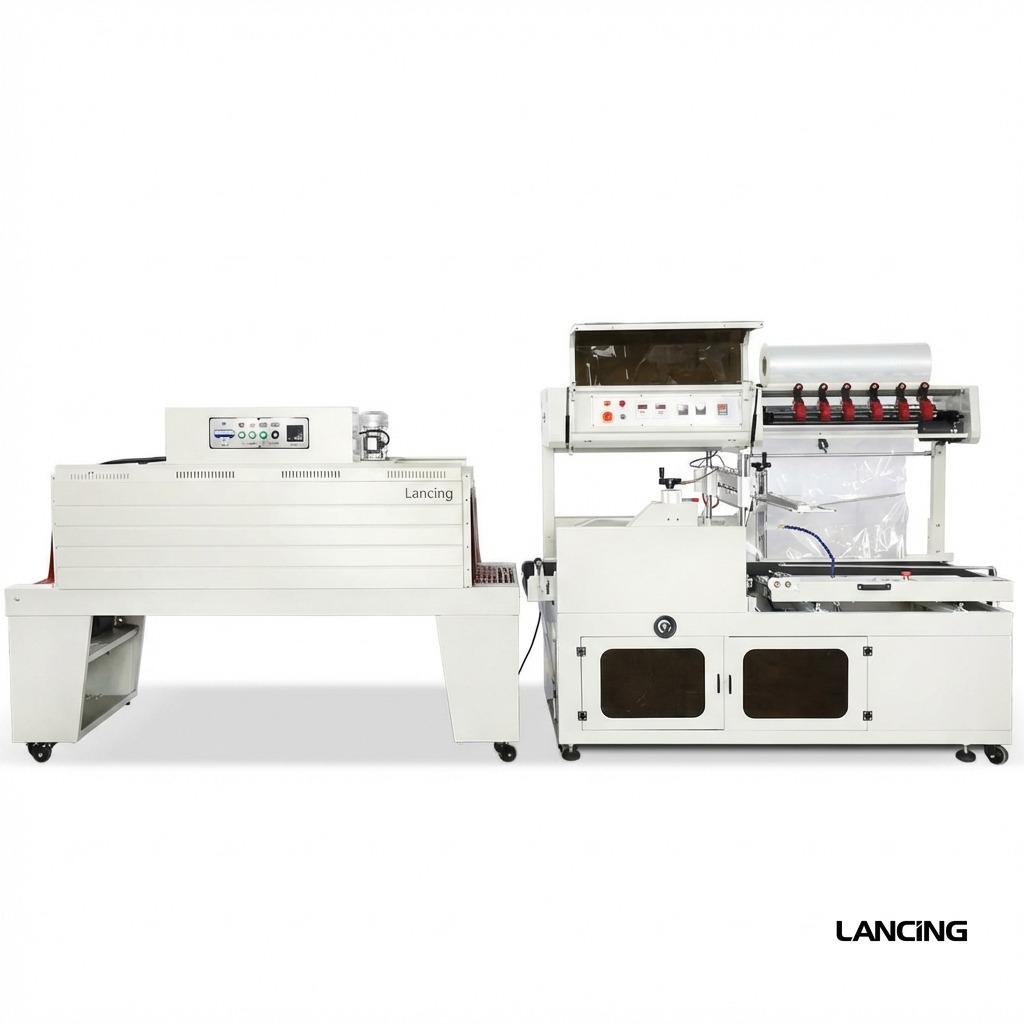
This page is for buyers sending sample products or photographs before requesting a shrink wrapping machinery quotation.
Lancing UK can review product sizes, pack photos, film choice, target output and site layout before recommending a suitable L sealer, heat tunnel, chamber sealer, sleeve sealer or related shrink wrapping machine route.
For the most accurate advice, send dimensions for the smallest and largest pack, expected packs per minute, whether the product is manually loaded or conveyor fed, and any space or utility restrictions on site.
FAQ
Send product dimensions, photographs, target output, film preference, available utilities and any line layout information.
Yes. Lancing UK can review whether an L sealer, chamber sealer, sleeve sealer, heat tunnel or wider shrink wrapping line is the correct route.
Yes. Film type, gauge, width and perforation affect seal quality, tunnel settings and final pack appearance.
Related pages
These pages help narrow the best machine route before requesting a quotation.
Related L sealer and shrink wrapping machinery guidance for narrowing the correct specification before requesting a quote.
Related L sealer and shrink wrapping machinery guidance for narrowing the correct specification before requesting a quote.
Related L sealer and shrink wrapping machinery guidance for narrowing the correct specification before requesting a quote.
Related L sealer and shrink wrapping machinery guidance for narrowing the correct specification before requesting a quote.
Sample trial evidence
A sample trial should answer a commercial question: will this machine, film and tunnel route create the pack finish required at a realistic operating pace? The trial should not only show that the product can pass through the machine. It should check seal location, film recovery, tunnel finish, cooling, barcode visibility and repeatability across the largest and smallest pack sizes.
If there are several SKUs, test the extremes first. A machine that works for the easiest product may not suit the tallest, widest or most heat-sensitive pack. Record the settings that produced the acceptable result so the specification can be quoted with conditions.
| Selection point | What to confirm | Why it matters |
|---|---|---|
| Samples | Send real products or accurate dummies with the correct dimensions. | The machine route is sized around the physical pack. |
| Film | Use the intended production film where possible. | Different film can change seal and shrink behaviour. |
| Acceptance criteria | Define what a good pack looks like before the trial. | Prevents judging results subjectively after the machine has been selected. |
| Trial record | Record settings, output, film and observations. | Makes the result repeatable and useful for quotation. |
Prepare the information Lancing needs to specify the route.
Understand common pass/fail checks.
Use structured trial evidence where formal sign-off is needed.
Physical samples are best where possible because pack stability, heat response and presentation are difficult to judge from dimensions alone.
For large ranges, test the largest, smallest and most difficult products first.
Photos help with early guidance, but final suitability is stronger when dimensions, film and samples are available.
Seal quality, shrink finish, corner appearance, barcode visibility, output and cooling should all be reviewed.
Recorded settings make the result repeatable and give context to any quoted speed or output.
Related guidance: Specification checklist · Film width guide · Tunnel airflow
Sample-test evidence
A sample trial is most useful when it tests the actual production problem rather than only proving that film can shrink. The trial should include the largest pack, most difficult pack, expected film and an acceptance standard for the finished presentation.
Photos and video can help Lancing review seal position, tunnel finish, trapped air, cooling marks and product movement before a final recommendation is made.
| Point to confirm | What Lancing checks | Why it matters |
|---|---|---|
| Samples | Largest, smallest and hardest-to-wrap product variants. | Proves the range, not only one easy product. |
| Film | Preferred film, alternative film and centre-fold information where available. | Shows whether the film route is suitable. |
| Evidence | Photos, short videos, settings and accept/reject notes. | Makes the trial useful after the demonstration. |
| Result | Pass, fail, conditional pass or further testing needed. | Stops subjective pack-quality decisions. |
Use video evidence for L-sealer review.
Connect sample testing to acceptance.
Set good-pack standards.
Enough to represent the smallest, largest and most difficult products rather than a single easy pack.
Photos can help early review, but physical samples are often needed where fit, stability or film behaviour is uncertain.
Unknown film, unrepresentative products or no acceptance standard can make a trial inconclusive.
Useful next step: Send product dimensions, photos, film details and target output through the existing enquiry form so Lancing can check the L-sealer route before quotation.
Trial method
Direct answer: A useful sample test should review the unshrunk seal, the tunnel finish and the cooled pack using the real product and intended film. Testing only one stage can miss problems such as trapped air, seal contamination, poor film recovery or distortion after discharge.
Related guidance: Film seal-window testing · Pack acceptance criteria · Film wrinkle troubleshooting