L sealer machine UK
Useful next step for comparing L sealers, shrink tunnels, film route and quotation requirements.
Maintenance guide
Seal wire condition affects pack appearance, seal strength and machine reliability. A maintenance routine helps reduce poor seals and unplanned downtime.
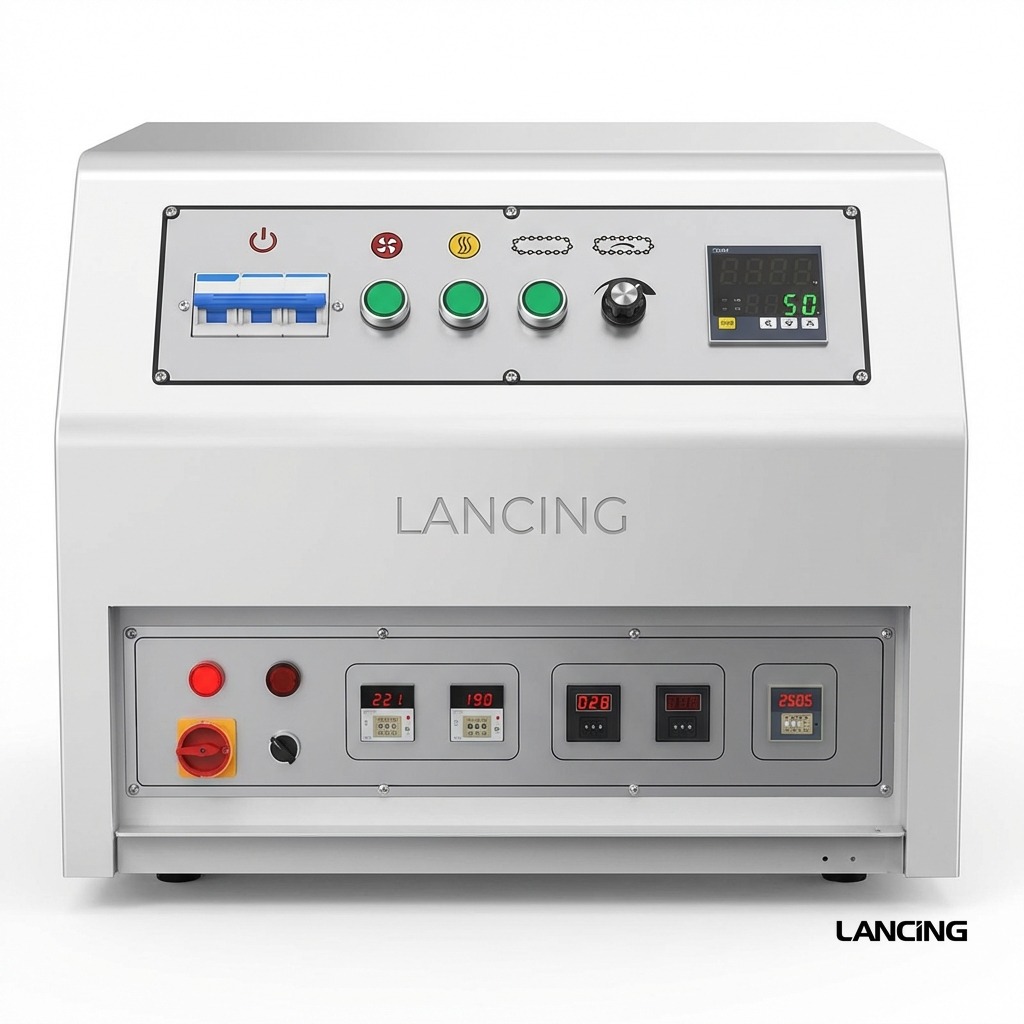
Seal wire condition affects pack appearance, seal strength and machine reliability. A maintenance routine helps reduce poor seals and unplanned downtime.
Frequent broken seals, inconsistent cut quality, burn marks or film dragging can indicate that consumables or settings need attention.
Increasing temperature or dwell to compensate for worn consumables can create other issues. Check consumables, alignment and film before changing multiple settings.
Production sites should keep common consumables available and record settings for repeat products. This makes troubleshooting faster.
| Product range | Largest and smallest pack dimensions, product weight, photographs and notes about pack stability. |
|---|---|
| Production target | Required packs per minute, daily volume, shift pattern and expected changeover frequency. |
| Film and finish | Preferred film type if known, presentation standard, seal position and any retail requirements. |
| Site information | Available floor space, power, compressed air, access route, conveyor height and downstream packing method. |
FAQ
It depends on machine use, film and settings. Inspect regularly and keep spares available.
Yes. Film type, thickness, contamination and tension can all affect seal quality.
Yes, repeatable settings help reduce changeover and troubleshooting time.
Related pages
Use these pages to compare machinery routes before requesting a quotation.
Useful next step for comparing L sealers, shrink tunnels, film route and quotation requirements.
Useful next step for comparing L sealers, shrink tunnels, film route and quotation requirements.
Useful next step for comparing L sealers, shrink tunnels, film route and quotation requirements.
Useful next step for comparing L sealers, shrink tunnels, film route and quotation requirements.
Useful next step for comparing L sealers, shrink tunnels, film route and quotation requirements.
Useful next step for comparing L sealers, shrink tunnels, film route and quotation requirements.
Seal maintenance
The seal area is a common source of avoidable defects. A worn seal wire, damaged blade, poor dwell setting or contamination in the seal path can create weak seals even when the tunnel is correctly set. Maintenance checks should therefore happen before tunnel settings are changed to compensate for a poor seal.
The exact replacement procedure depends on the machine supplied, so this guidance should be treated as a quality-control checklist rather than a substitute for the machine manual. Operators should isolate the machine and follow the supplied safety instructions before working near the sealing area.
| Selection point | What to confirm | Why it matters |
|---|---|---|
| Seal wire/blade condition | Inspect for wear, damage, contamination and uneven contact. | Poor condition can cause weak or inconsistent seals. |
| Dwell and pressure | Check against the film and pack used. | Incorrect dwell can under-seal or overheat the film. |
| Film residue | Keep the seal area clean according to the manual. | Residue can reduce seal strength and consistency. |
| First-off approval | Inspect the first packs after maintenance. | Confirms the machine is safe to return to production quality standards. |
Separate weak seals from tunnel issues.
Review L-sealer spare parts support.
Plan routine support for shrink wrapping machinery.
The tunnel can expose a weak seal, but the seal wire, dwell, film and contamination should be checked first.
No. Replacement should follow the supplied machine manual and safety procedure.
Photos, film details, pack dimensions, settings and close-up images of the seal area are useful.
Not reliably. A worn or contaminated sealing element should be corrected rather than masked with settings.
First-off packs should be inspected for seal strength, cut quality and repeatability before production resumes.
Related guidance: Seal quality guide · Repair support · Operator training
Seal maintenance evidence
Poor seal quality is not always a worn wire or blade, but routine sealing parts should be checked when seals become weak, inconsistent or contaminated. The replacement decision should be tied to visible seal condition and operating behaviour.
Before ordering spares, record the machine route, sealing symptoms, film type and photos of the seal area. This helps avoid replacing the wrong part or missing a film, temperature or contamination cause.
| Point to confirm | What Lancing checks | Why it matters |
|---|---|---|
| Seal symptom | Weak seal, burn-through, sticking, incomplete cut or contamination mark. | Identifies whether the fault is mechanical, thermal or material-related. |
| Part evidence | Wire/blade condition, insulation strip, release surface and alignment. | Confirms whether spares are needed. |
| Film evidence | Film type, thickness, batch and contamination risk. | Avoids blaming hardware for material issues. |
| After replacement | Test pack and first-off acceptance standard. | Confirms the replacement fixed the fault. |
Check contamination before replacing parts.
Review common seal faults.
Test the result after maintenance.
Not automatically. Check film, contamination, dwell, temperature and alignment first.
Machine details, photos of the seal area and the exact symptom help identify the correct parts.
A first-off sample should be checked for clean seal, cut quality, release and tunnel finish.
Useful next step: Send product dimensions, photos, film details and target output through the existing enquiry form so Lancing can check the L-sealer route before quotation.