Automatic L sealer machines
Related guidance for comparing shrink wrapping machinery, film, output and installation requirements.
Shrink wrapping troubleshooting
Poor shrink wrapping results are usually caused by the relationship between product size, film size, seal settings and tunnel settings. This guide outlines common symptoms to check before changing machinery.
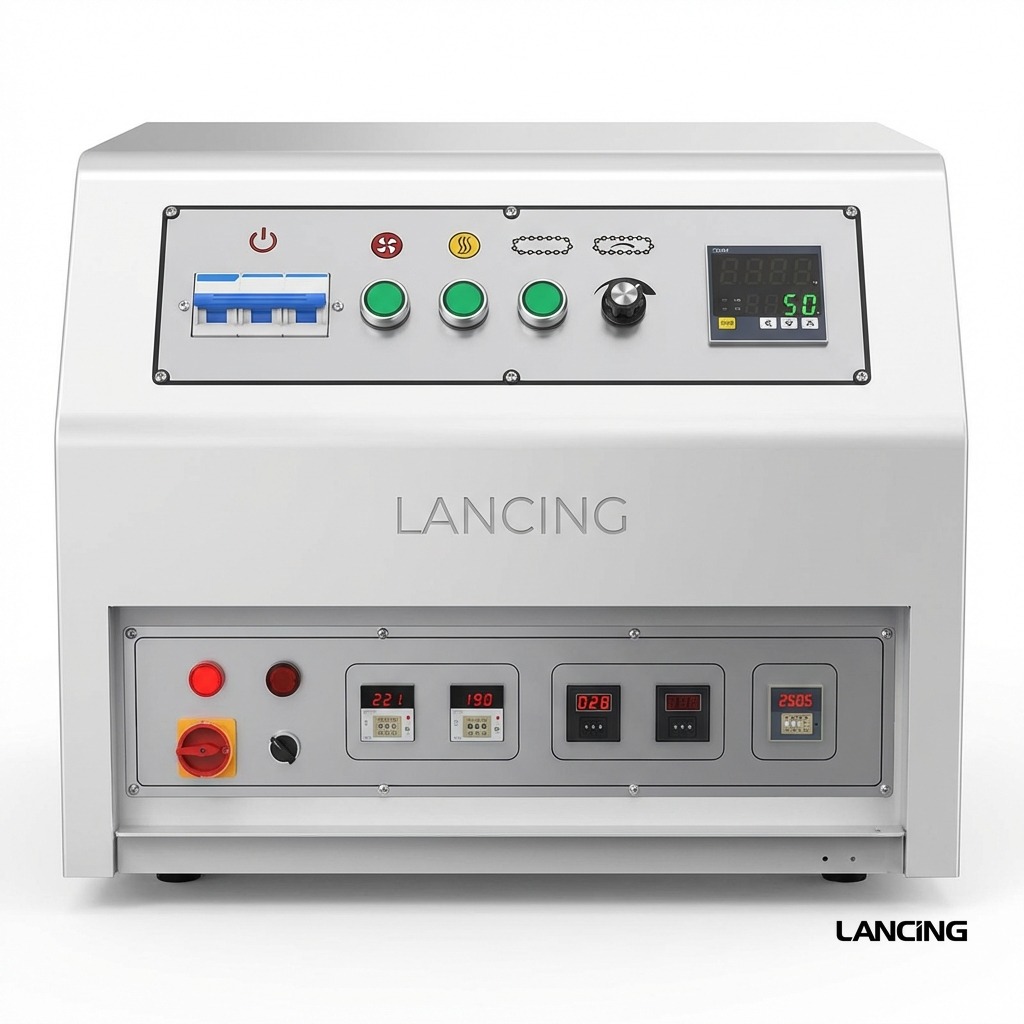
For a reliable recommendation, send product dimensions, photographs, required output, film preference, available floor space, power and compressed air details. Lancing UK can then check the correct machine aperture, heat tunnel size, conveyor layout and operator access before quoting.
FAQ
Weak seals can be caused by low temperature, short dwell time, worn sealing parts, film mismatch or product movement during sealing.
Loose film can indicate too much film, not enough heat, insufficient dwell time or poor airflow.
Yes. Lancing UK can review pack dimensions, film, machine settings and line layout to identify the likely cause.
Related pages
Use these related pages to choose the correct L sealer, chamber sealer, sleeve sealer or heat tunnel route.
Related guidance for comparing shrink wrapping machinery, film, output and installation requirements.
Related guidance for comparing shrink wrapping machinery, film, output and installation requirements.
Related guidance for comparing shrink wrapping machinery, film, output and installation requirements.
Related guidance for comparing shrink wrapping machinery, film, output and installation requirements.
Related guidance for comparing shrink wrapping machinery, film, output and installation requirements.
Related guidance for comparing shrink wrapping machinery, film, output and installation requirements.
Troubleshooting boundaries
Troubleshooting an L-sealer line is easier when the problem is separated into stages: product feed, film tracking, L seal, tunnel shrink and discharge cooling. A weak seal may be a seal-wire or dwell issue, while a wrinkled pack may come from film width, trapped air, tunnel airflow or product spacing.
The safest approach is to change one variable at a time and record the result. If the pack only fails at production speed, the issue may be infeed spacing, tunnel dwell or cooling rather than the machine being unable to seal.
| Selection point | What to confirm | Why it matters |
|---|---|---|
| Weak seal | Check film compatibility, dwell, seal-wire condition and contamination. | A poor seal should be corrected before trying to tune the tunnel. |
| Wrinkles or dog-ears | Check film allowance, air release, tunnel airflow and cooling. | Tunnel defects often start with film bag size and product shape. |
| Film drag or tearing | Check centre-fold width, product height, guides and seal position. | Excess tension can create poor presentation or inconsistent seals. |
| Pack distortion | Check heat sensitivity, dwell and discharge handling. | The film may be shrinking correctly while the product is being overheated or handled too soon. |
Check seal-wire replacement and maintenance considerations.
Review film wrinkle causes and boundaries.
Separate heat and dwell issues from seal issues.
Likely causes include film mismatch, insufficient dwell, worn seal wire, contamination or product movement during sealing.
Trapped air, insufficient perforation or an oversized film bag can cause ballooning.
Film allowance, pack shape, tunnel airflow or dwell time may need checking.
Not necessarily. Confirm seal quality, film width, airflow and dwell before increasing heat.
Photos, settings, film details, pack dimensions and a description of when the fault occurs are most useful.
Related guidance: POF vs PE film · Sample testing · Aftercare
Troubleshooting evidence
L-sealer problems are often blamed on the sealer when the cause may be film width, product movement, trapped air, tunnel dwell, airflow or discharge cooling. A useful fault-finding process separates the seal event from the shrink event.
Record the product, film batch, settings, operator method and photo evidence before adjusting too many variables. Changing multiple settings at once can hide the real cause and make the fault repeat.
| Point to confirm | What Lancing checks | Why it matters |
|---|---|---|
| Weak or split seal | Check seal wire/blade condition, dwell, temperature, contamination and film match. | Identifies whether the seal itself is failing. |
| Wrinkled finish | Check film size, perforation, tunnel dwell, airflow and pack stability. | Focuses on the shrink stage rather than only the seal. |
| Distorted pack | Check temperature, dwell, product sensitivity and cooling distance. | Protects presentation and product integrity. |
| Inconsistent position | Check infeed spacing, detection, guides and product skew. | Controls repeatability in automatic routes. |
Fault-find contamination and release problems.
Review tunnel discharge effects.
Define accept/reject evidence.
No. Change one variable at a time and record the result so the real cause can be identified.
Photos, sample packs, settings, film details and a short description of when the fault appears.
Yes. Film type, thickness, contamination and centre-fold quality can all affect the seal.
Useful next step: Send product dimensions, photos, film details and target output through the existing enquiry form so Lancing can check the L-sealer route before quotation.