L sealer machine UK
Useful next step for comparing L sealers, shrink tunnels, film route and quotation requirements.
Operations guide
Frequent product changeovers can reduce shrink wrapping output. A good routine uses recorded settings, organised film stock and clear operator checks.
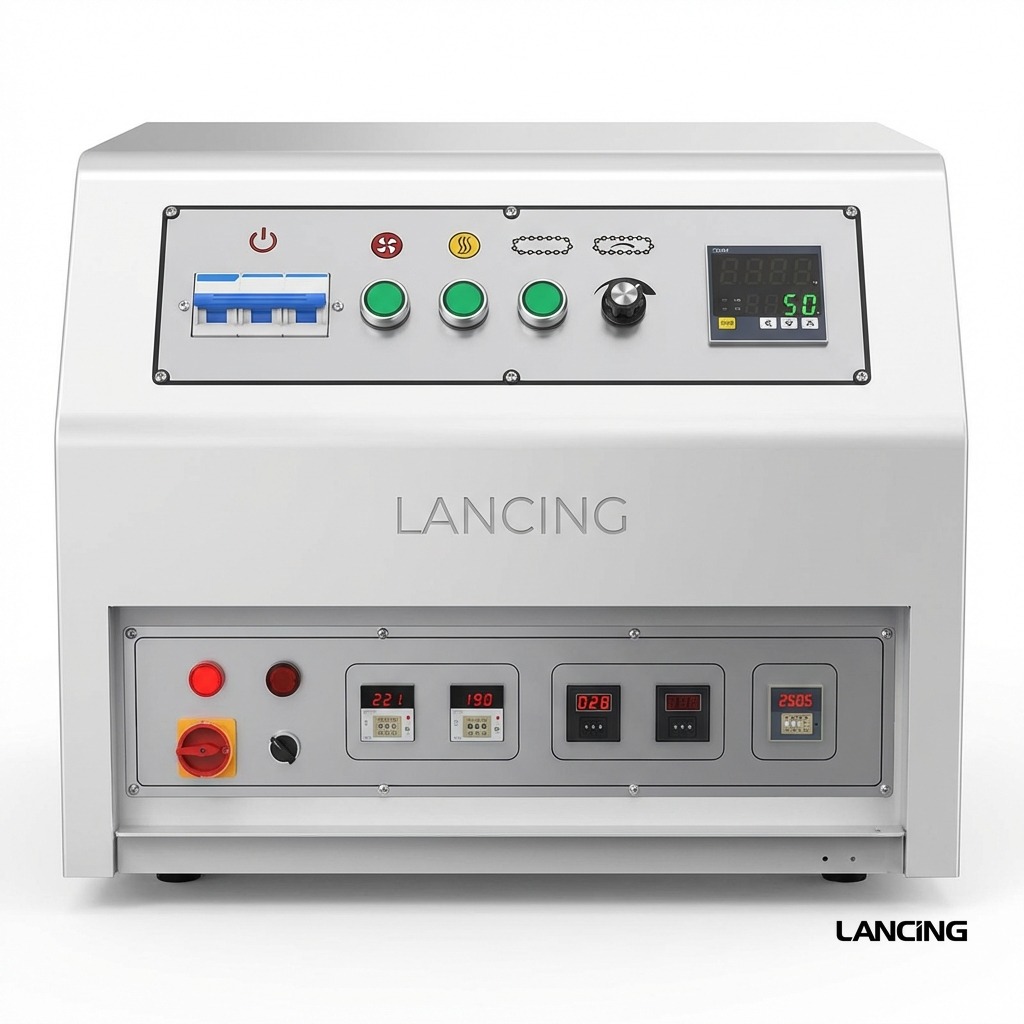
Frequent product changeovers can reduce shrink wrapping output. A good routine uses recorded settings, organised film stock and clear operator checks.
Keep a settings sheet for each repeat product, including seal temperature, dwell, film width, tunnel temperature and conveyor speed.
Reducing the number of film widths where possible can simplify changeover and stock control.
After changeover, inspect seal quality, film trim, tunnel finish and product alignment before running volume.
| Product range | Largest and smallest pack dimensions, product weight, photographs and notes about pack stability. |
|---|---|
| Production target | Required packs per minute, daily volume, shift pattern and expected changeover frequency. |
| Film and finish | Preferred film type if known, presentation standard, seal position and any retail requirements. |
| Site information | Available floor space, power, compressed air, access route, conveyor height and downstream packing method. |
FAQ
Unclear settings, wrong film width, poor product data and inconsistent operator routines.
No, but it can be reduced with documented settings and training.
Where possible, fewer film widths can simplify production.
Related pages
Use these pages to compare machinery routes before requesting a quotation.
Useful next step for comparing L sealers, shrink tunnels, film route and quotation requirements.
Useful next step for comparing L sealers, shrink tunnels, film route and quotation requirements.
Useful next step for comparing L sealers, shrink tunnels, film route and quotation requirements.
Useful next step for comparing L sealers, shrink tunnels, film route and quotation requirements.
Useful next step for comparing L sealers, shrink tunnels, film route and quotation requirements.
Useful next step for comparing L sealers, shrink tunnels, film route and quotation requirements.
Changeover guidance
Changeover is more than moving guides. A reliable changeover should confirm pack size, centre-fold film width, product spacing, seal position, tunnel settings and discharge handling. If only one setting is changed, the pack may pass through the machine but fail the finished-pack quality check.
Operators should be able to compare the new product against a saved setup record. Where a video is used, it should support the written procedure rather than replace the sample pack checks and safety instructions supplied with the machine.
| Selection point | What to confirm | Why it matters |
|---|---|---|
| Product guides | Set to the largest tolerance, not only the nominal carton size. | Avoids rubbing, skewing and film drag. |
| Film roll and centre-fold | Check film width, tracking and perforation. | Poor tracking affects seal location and tunnel finish. |
| Seal position | Confirm the film allowance around the product. | Too little can strain the seal; too much can leave untidy corners. |
| Tunnel settings | Record the temperature, belt speed and spacing that work. | Repeatable settings reduce trial-and-error during production. |
Check film width before the line is run.
Understand how film allowance affects pack finish.
Support consistent setup through operator training.
Confirm the product dimensions and film centre-fold width before tuning tunnel settings.
Recorded settings make future changeovers faster and reduce avoidable quality variation.
No. Video can support a procedure, but operators still need machine-specific safety and setup training.
Seal location, film tracking, shrink finish, barcode visibility and pack cooling should be checked.
Contact Lancing if product dimensions, film behaviour or finish requirements have changed beyond the original setup.
Related guidance: Operation video on product page · Troubleshooting · Site survey
Changeover evidence
A machine that suits one pack size may still be slow to use if the operator has to change guides, film, tunnel settings and acceptance checks too often. Changeover planning should be part of the specification, especially for contract packers and short-run production.
The changeover guide should record which adjustments are tool-free, which settings need to be documented and which sample packs are required before returning to production.
| Point to confirm | What Lancing checks | Why it matters |
|---|---|---|
| Physical guides | Infeed, side guides, film path and discharge positions. | Controls repeatability after a product change. |
| Film change | Roll size, film centre-fold and perforation differences. | Can change seal position and tunnel behaviour. |
| Tunnel settings | Temperature, conveyor speed and airflow setting records. | Reduces trial-and-error after each product change. |
| First-off pack | Acceptance check before releasing production. | Stops defects being repeated across a batch. |
Use a consistent first-off pack standard.
Check guide and detection repeatability.
Record products and settings.
Product size, guide positions, film details, tunnel settings and a first-off pack photo are useful records.
Yes. Film position, guide alignment and tunnel settings can all change seal quality.
It confirms the pack meets the expected standard before the batch continues.
Useful next step: Send product dimensions, photos, film details and target output through the existing enquiry form so Lancing can check the L-sealer route before quotation.